


 Dr Tinkler Is The FIRST Dentist In The UK To Reach Over 5,000 patients | The UK's Most Experienced Invisalign Dentist
  Price match! We will match or beat any other Invisalign quote!

Category: Blog
How Long Does Invisalign Take? Real Timelines for London Patients
Most adults considering Invisalign want a straight answer before they commit: how long will this actually take? Treatment length varies more than many people expect, and understanding what drives those differences helps you plan with confidence.
Here is what the evidence and clinical practice show for typical London patients.
Key takeaways:
- Mild cases can be completed in as little as 3 months; complex cases may take 18 months or more
- Your compliance with wearing aligners for 20 to 22 hours per day is the single biggest variable you control
- A 3D scan at your first appointment gives you a personalised projection of your specific timeline
- Invisalign treatment is dentist-led, meaning your plan is built around your bite, not a generic template
How Long Does Invisalign Take?
For most patients, Invisalign treatment takes between 6 and 18 months. Mild crowding or spacing issues typically resolve in 3 to 6 months, moderate cases fall in the 6 to 12 month range, and more complex bite corrections can extend to 18 months or beyond.
These are realistic working figures, not best-case scenarios. Your dentist will give you a more precise projection after reviewing your 3D scan.
Read more: Keep Your Smile on Track: Invisalign Travel Tips for the Holidays
What Affects Invisalign Treatment Time?
Several factors determine how quickly your teeth move into alignment.
- The complexity of your case is the primary driver. Minor spacing between teeth requires far fewer aligner trays than significant crowding or a misaligned bite. A straightforward case might involve 14 to 20 trays; a complex case could require 40 or more.
- Wear time is the factor most directly in your hands. Aligners must be worn for 20 to 22 hours each day. Removing them for longer than the recommended 2 to 4 hours consistently will slow tooth movement and extend your overall timeline.
- Biological response also varies between patients. Bone density, age, and individual physiology all influence how quickly teeth can be repositioned safely. Younger adults tend to see slightly faster movement, though this difference is usually modest.
Invisalign Timeline by Case Type
| Case Type | Typical Duration | Approximate Trays |
| Mild (minor spacing/crowding) | 3 to 6 months | 10 to 20 |
| Moderate (moderate crowding/spacing) | 6 to 12 months | 20 to 30 |
| Complex (bite issues, significant crowding) | 12 to 18+ months | 30 to 48+ |
These figures reflect standard Invisalign Full treatment. Invisalign Lite, designed for mild cases, is a shorter programme and may suit patients with more limited correction needs.
Does Invisalign Work Faster Than Braces?
For many cases, yes. Invisalign treatment typically delivers results in a comparable or shorter timeframe than traditional metal braces for mild to moderate cases. Braces tend to remain the more efficient option for complex skeletal corrections, but the gap has narrowed considerably with advances in aligner technology.
A qualified dentist can advise whether clear aligners are the right fit for your specific clinical situation.
What Happens After Active Treatment?
Treatment does not end when you wear your final tray. Retainers are an essential part of the process and prevent teeth from drifting back toward their original positions.
Most patients wear retainers nightly long-term after a short period of more frequent use immediately post-treatment. Skipping this stage is one of the most common reasons people experience relapse after orthodontic work.
How Do You Start?
- Book a consultation and 3D iTero scan
- Review your personalised ClinCheck plan, which shows a simulation of your projected results and timeline
- Receive your first set of trays and begin treatment
- Attend progress reviews every 6 to 10 weeks so your dentist can monitor movement and adjust if needed
- Complete active treatment and move into the retainer phase
Your invisalign cost will be outlined clearly at the consultation stage, covering the full treatment plan rather than a tray-by-tray estimate.
Can You Speed Up Invisalign Treatment?
To a degree. Consistent wear is the most reliable way to stay on schedule. Some patients use AcceleDent or Propel devices, which apply gentle micro-pulses or micro-perforations to encourage faster bone remodelling. Clinical evidence on these adjuncts is mixed, and not all dentists recommend them routinely.
Switching to a new tray before your dentist advises is not a safe shortcut. Premature progression can cause poor fit, discomfort, and ultimately delays rather than savings.
Read more: What Are Invisalign Chewies, and Do You Really Need Them?
FAQs
How many hours a day do you wear Invisalign? You should wear your aligners for 20 to 22 hours per day, removing them only to eat, drink anything other than water, and clean your teeth.
Can Invisalign take just 6 months? Yes, for mild cases involving minor spacing or crowding. A 3D scan at your first appointment will give you an accurate assessment of whether your case qualifies for a shorter programme.
What happens if I miss wearing my aligners for a day? A single day is unlikely to cause a significant delay. Consistently wearing aligners for fewer hours than recommended over weeks or months, however, will extend your overall treatment time.
Is there a faster version of Invisalign? Invisalign Lite and Invisalign Go are shorter programmes designed for mild corrections. Your dentist will assess which product suits your clinical needs at the consultation.
Does Invisalign treatment hurt? Most patients experience mild pressure for 1 to 2 days after switching to a new tray. This is a normal sign that teeth are moving. Significant pain is uncommon and worth raising with your dentist if it persists.
The question of how long Invisalign takes depends on the complexity of your case, how consistently you wear your aligners, and how well your biology responds to treatment. Most patients with mild to moderate concerns complete treatment within 6 to 12 months. A 3D scan and consultation is the only way to get a figure that reflects your teeth specifically, not an average.
Get in touch with our team for more information.
Can Teens and Adults Both Use Clear Aligners?
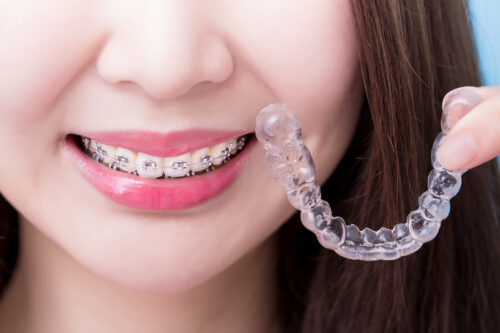
Straight teeth aren’t just for adults with disposable income anymore. Clear aligners have transformed orthodontic treatment, making it accessible and discreet for people of all ages. But can teenagers really use the same treatment as their parents? The short answer is yes—with some important considerations.
Whether you’re 15 or 45, clear aligners can straighten your smile without the metal brackets and wires. Here’s what you need to know:
- Age isn’t the main factor – dental maturity matters more than the number on your birthday cake
- Teens need specific features – compliance indicators and eruption tabs make treatment work for younger patients
- Treatment goals differ – what works for a busy professional might not suit a sixth-former
- Both groups benefit – discreet treatment appeals across generations, just for different reasons
Are Clear Aligners Suitable for Teenagers?
Yes, clear aligners work brilliantly for teenagers whose adult teeth have fully erupted. Most teens are ready for aligner treatment around age 13 or 14, though some may start earlier. The key is having permanent teeth in place rather than hitting a specific age milestone.
Teens with clear aligners enjoy significant advantages over traditional braces. They can remove aligners for school photos, sports matches, and important social events. This flexibility reduces the self-consciousness many teenagers feel about orthodontic treatment.
Modern aligner systems designed for teens include built-in compliance indicators. These small blue dots fade with wear, helping parents and orthodontists monitor whether the aligners are being worn for the recommended 20-22 hours daily. Eruption tabs also accommodate teeth that haven’t fully emerged yet.
What Makes Teens Good Candidates?
Teenagers make excellent candidates when they demonstrate responsibility and commitment. Clear braces for teens require dedication. They must wear aligners consistently and keep them clean. A teen who forgets to wear their retainer or loses their PE kit weekly might struggle with the discipline required.
Mild to moderate orthodontic issues respond particularly well to aligner treatment in teenagers. Crowding, spacing, and minor bite issues can all be corrected. Complex cases involving severe jaw misalignment may still require traditional braces.
The social benefits can’t be overstated. Teens avoid the “metal mouth” teasing that sometimes accompanies braces. They participate in sports without worry about broken brackets and can eat whatever they fancy without restrictions.
Can Adults Use the Same Aligners as Teens?
Adults and teens often use similar aligner technology, though treatment plans differ based on individual needs. The fundamental mechanics work the same way regardless of age; gradual pressure shifts teeth into better positions over time. Adult bone is denser than teenage bone, which can extend treatment duration slightly.
Many adults choose clear aligners for professional reasons. Video calls and client meetings feel less awkward without visible metal braces. The ability to remove aligners for presentations or networking events provides welcome flexibility.
Adult teeth may have existing dental work like crowns, bridges, or fillings. These don’t necessarily prevent aligner treatment but require careful planning. Previous orthodontic treatment that has relapsed is actually quite common in adult patients.
How Do Treatment Goals Differ?
Teenagers typically address developmental issues as their jaws finish growing. Their treatment often focuses on creating space for emerging teeth and establishing proper bite relationships. Growth can actually work in their favour during treatment.
Adults usually seek cosmetic improvements or correction of teeth that have shifted over time. They might address concerns postponed from childhood or fix problems that developed after wearing retainers. Many adults prioritise front teeth alignment for aesthetic reasons.
Time expectations vary between age groups. Teens may feel impatient with 12-18 month treatment plans, whilst adults often appreciate the relatively quick results compared to traditional braces. Both groups need realistic expectations about commitment and duration.
What Are the Key Differences in Teen vs Adult Treatment?
| Factor | Teens | Adults |
| Compliance monitoring | Indicators built into aligners | Self-motivated tracking |
| Treatment duration | 12-18 months average | 12-24 months average |
| Bone density | More responsive | Denser, slower movement |
| Lifestyle priorities | School, sports, social events | Work, family, convenience |
| Common issues | Developmental crowding | Relapse, age-related shifting |
Supervision requirements differ significantly between age groups. Teens benefit from parental oversight and regular check-ins to ensure compliance. Adults manage their own treatment but may struggle with consistency when life gets hectic.
Cost considerations affect families differently from individual adults. Many parents invest in their teenager’s smile as a long-term health investment. Adults weigh the expense against personal budgets and priorities.
Do Teens Need Special Aligner Features?
Special features make clear braces for teens more effective than standard adult versions. Compliance indicators show parents whether their teenager is wearing aligners as prescribed. These blue markers gradually fade with wear, providing visual confirmation of use.
Eruption compensations allow for teeth still coming through the gums. Not all permanent teeth arrive on schedule, and teen-specific aligners accommodate this variability. Power ridges add extra force for stubborn teeth that need encouragement.
Replacement aligners often come included in teen packages. Teenagers lose things—it’s practically a rite of passage. Having backup aligners prevents treatment delays when aligners go missing at school or on holiday.
How Long Does Treatment Take for Different Ages?
Treatment duration depends more on case complexity than age alone. Simple spacing issues might resolve in 6-9 months for both teens and adults. Moderate crowding typically requires 12-18 months regardless of whether you’re 16 or 36.
Teens sometimes complete treatment slightly faster because their bone tissue responds more readily to orthodontic pressure. Their jaws are still developing, which can work advantageously during alignment. However, poor compliance can extend treatment considerably.
Adults may need longer treatment times for severe crowding or relapse cases. Years of teeth grinding, tooth loss, or shifting create challenges that take time to correct properly. Consistent wear habits often mean adults stay on track despite longer timelines.
Can Younger Teens Start Treatment?
Younger teenagers can begin invisalign treatment once their permanent teeth have erupted. Some patients start as early as age 11 or 12 if dental development permits. An orthodontic assessment determines readiness better than age alone.
Dental maturity matters more than chronological age. A 13-year-old with all permanent teeth present makes a better candidate than a 15-year-old still losing baby teeth. X-rays reveal whether jaw growth and tooth development support treatment.
Early intervention prevents more serious problems later. Addressing mild crowding in the early teens can prevent extractions or jaw surgery down the line. The key is balancing dental readiness with emotional maturity to handle treatment responsibility.
Let’s Get Things Straight!
Age doesn’t determine whether clear aligners will work for you—dental health and commitment do. Teenagers and adults both achieve outstanding results with the right approach and expectations. The technology has evolved to accommodate growing smiles and mature ones alike.
Clear Braces Direct offers tailored solutions for every age group. Their team understands the unique challenges teens face and the practical concerns adults prioritise. Remote monitoring and flexible payment plans make treatment accessible without compromising quality.
Ready to straighten your smile discreetly? Book a consultation to discuss whether clear aligners suit your specific situation. Your age might be just a number, but your smile deserves expert attention at any stage of life.
Keep Your Smile on Track: Invisalign Travel Tips for the Holidays

The holidays are meant for relaxation and celebration, not worrying about whether your Invisalign treatment is falling behind schedule. Yet travelling, whether you’re visiting family in Edinburgh, escaping to the continent, or simply wandering through the Christmas markets around Trafalgar Square, can disrupt even the most disciplined treatment routines.
Missing wear time, forgetting cleaning supplies, or losing track of your aligner case can set your progress back by weeks. However, with a bit of preparation, you can maintain your Invisalign routine without sacrificing holiday enjoyment.
Key takeaways:
- Pack a dedicated travel kit with all essential cleaning supplies
- Maintain your 22-hour daily wear time despite changing schedules
- Protect your aligners from loss or damage whilst on the move
- Know what to do if problems arise away from home
How to Pack Your Clear Aligner Travel Kit
Packing your clear aligner essentials alongside your toothbrush prevents last-minute panic. A well-stocked travel kit ensures you can maintain proper hygiene regardless of your destination.
Start with multiple aligner cases: one for your current set and a spare in case you misplace the first. Hotels, restaurants, and aeroplanes are notorious black holes for lost aligners wrapped in napkins.
Include a travel-sized toothbrush, toothpaste, and dental floss. Many people forget that you’ll need to brush after every meal, not just morning and evening. Add a small bottle of antibacterial soap or aligner cleaning crystals for proper sanitisation.
Essential items for your kit:
- 2-3 aligner cases (clearly labelled)
- Travel toothbrush and paste
- Dental floss or interdental brushes
- Aligner cleaning solution
- Sugar-free chewing gum (for emergency cleaning)
- Pain relief tablets
- Contact details for Clear Braces Direct
What Should You Do If You Lose an Aligner Whilst Travelling?
Losing an aligner during holiday travel is surprisingly common, but it doesn’t have to derail your treatment. Contact your provider immediately. They can advise whether to move forward to your next set or revert to the previous one.
Most orthodontists recommend carrying your previous set when travelling. This gives you a backup option that maintains some pressure on your teeth rather than wearing nothing at all. If you’re midway through your treatment and completely without aligners, you’ll typically revert to the previous set until you return home.
Never skip ahead two sets or leave your teeth without aligners for extended periods. Even a few days without wear can cause noticeable regression.
How Can You Maintain Your 22-Hour Wear Time on Holiday?
Maintaining your 22-hour daily wear time becomes trickier when your schedule shifts during the holidays. Set phone reminders to put your aligners back in after meals, particularly during extended family gatherings where meals can last for hours.
Holiday meals often involve multiple courses and lengthy celebrations. Remove your aligners only when actively eating, then brush and reinsert them before the next course arrives. Consider the timing of festive drinks too. Sipping wine or cocktails throughout an evening means extended periods without your aligners.
Pack snacks that don’t require aligner removal. Water is your best friend—it keeps you hydrated without necessitating removal.
How to Clean Clear Aligners Without Your Usual Supplies
Travelling sometimes means making do with less-than-ideal cleaning facilities. Rinse your aligners with lukewarm water immediately after removal, even if you can’t do a thorough clean straight away.
Lukewarm water and antibacterial soap provide adequate cleaning when you’re without specialised products. Avoid hot water, which can warp the plastic and compromise the fit. Restaurant bathrooms aren’t always the most hygienic places to handle your aligners, so carry hand sanitiser and use it before touching your mouth or aligners.
If you’re camping or staying somewhere without reliable facilities, bottled water works perfectly for rinsing. Keep wet wipes in your kit for cleaning your hands before handling your aligners.
Should You Wear Aligners on Long Flights?
Wearing your aligners during flights is absolutely recommended. Those hours count towards your daily 22. Cabin pressure doesn’t affect clear aligners, and wearing them prevents your teeth from shifting during extended travel time.
Long flights present the perfect opportunity to keep your aligners in place. You’re less likely to snack constantly, and the hours pass quickly while you sleep or watch films. Bring a refillable water bottle through security and fill it after screening to stay hydrated.
Pack your aligner case and cleaning supplies in your carry-on luggage. Never check your aligners in hold luggage; lost baggage could mean days without treatment.
What Holiday Foods Should You Avoid With Invisalign?
You can eat anything with Invisalign because you remove the aligners before meals. However, certain holiday treats require extra vigilance about cleaning afterwards.
Sticky foods like toffee, caramel, and nougat require thorough brushing before reinserting aligners. Food particles trapped between your teeth and the aligners create breeding grounds for bacteria. Turkey, ham, and other fibrous meats often wedge between teeth, so carry floss picks for quick cleaning when you’re away from a bathroom.
Wine, coffee, and tea stain aligners if you drink with them in. Always remove aligners before consuming anything except water.
| Food Type | Risk Level | Action Required |
| Sticky sweets | High | Thorough brushing and flossing are essential |
| Fibrous meats | Medium | Flossing required |
| Staining drinks | Medium | Remove aligners beforehand |
| Crunchy snacks | Low | Standard brushing sufficient |
How to Handle Clear Aligner Pain Whilst Travelling
New aligner sets often cause temporary discomfort, which can feel more intense when you’re away from home comforts. Plan your aligner changes around your travel schedule when possible. For example, switch to new sets a day or two before departing so the worst discomfort passes at home.
Over-the-counter pain relief manages most aligner discomfort. Pack paracetamol or ibuprofen in your travel kit. Cold water provides temporary relief for sore spots; swish it around your mouth for 30 seconds when discomfort strikes.
If pain persists beyond a few days or becomes severe, contact your provider remotely. Most practices offer video consultations for troubleshooting issues whilst you’re away.
Should I Store Aligners in the Fridge?
Storing aligners in hotel mini-fridges might seem hygienic, but it’s unnecessary and potentially problematic. Room temperature storage in a clean case keeps aligners perfectly safe.
Extreme temperature changes can affect the plastic’s integrity. Moving aligners from cold storage to your warm mouth repeatedly may compromise their fit over time. Simply rinse your aligners thoroughly, store them in a clean case, and keep the case somewhere safe.
If you’re genuinely concerned about hygiene in warm climates, use aligner cleaning tablets twice daily rather than refrigeration. The tablets eliminate bacteria without risking temperature damage.
Start Your Clear Aligner Journey With Confidence
The holiday season doesn’t have to interrupt your progress towards a straighter smile. With proper planning and the right travel kit, you can maintain your treatment routine wherever your travels take you.
Clear Braces Direct understands that life doesn’t stop during orthodontic treatment. Our team provides ongoing support, whether you’re safely at home in the West End or halfway around the world, ensuring your journey to a confident smile continues smoothly.
Remote consultations mean you’re never truly alone with your treatment concerns, and with transparent Invisalign costs, you can plan—and complete—your treatment with complete peace of mind.
Holiday Foods and Invisalign: What to Eat and Avoid
The festive season brings a whirlwind of delicious temptations, from sticky toffee pudding to crunchy roasted nuts. But if you’re wearing clear aligners, you might be wondering how to deal with the holiday spread without compromising your treatment.
Good news: enjoying the festivities doesn’t mean derailing your progress.
In this guide, you’ll learn which holiday treats are safe for your Invisalign journey, discover foods to avoid for clear aligners that could damage your trays, and find out how to maintain your clear aligner diet without missing out on seasonal favourites. We’ll also share practical tips for eating confidently at parties and family gatherings.
Can You Eat Normally with Invisalign?
Yes, you can eat almost anything you like. The beauty of removable aligners is that you simply take them out before meals, unlike traditional braces, which can restrict your diet.
However, the keyword here is “almost.” Some foods require extra caution because they can stain your aligners if you’re not careful about when you eat them. Others might tempt you to snack with your trays in, which creates its own set of problems.
The golden rule? Remove your aligners before eating or drinking anything except water. This protects both your trays and your teeth from damage and staining.
Which Holiday Foods Are Invisalign-Friendly?
Most traditional Christmas and holiday dishes work perfectly with your treatment schedule. The trick is planning when to enjoy them.
Safe choices include:
- Roast turkey, chicken, or ham
- Mashed potatoes and gravy
- Steamed vegetables like Brussels sprouts and carrots
- Soft bread rolls and stuffing
- Creamy desserts like trifle or mousse
- Soft cheeses and crackers
These foods won’t damage your aligners because you’ll have removed them before eating. They’re also gentle on teeth that might feel slightly tender during the first few days of a new tray.
Holiday eating with clear braces is surprisingly flexible. You can enjoy most festive favourites as long as you follow proper hygiene afterwards.
Foods to Avoid for Invisalign Success
Certain foods pose specific risks during treatment. While you’ll have your aligners out while eating, some items can cause issues that affect your progress.
Hard foods like candy canes and nut brittle can crack teeth or loosen attachments. Sticky treats such as toffee and caramel may pull at the small bumps bonded to your teeth for better aligner grip.
Foods that need extra caution:
- Hard nuts and boiled sweets
- Chewy toffees and fudge
- Popcorn
- Hard crusty bread
- Ice cubes (never chew these!)
The concern isn’t just about the aligners themselves. Your teeth may experience temporary sensitivity, especially in the first days after switching trays. Extremely hard or chewy foods can cause discomfort during these periods.
What Happens If You Snack with Aligners In?
Eating with aligners still in place creates multiple problems.
- Food particles get trapped between your teeth and the trays, creating a breeding ground for bacteria.
- Sugar and acids sit against your enamel for hours, dramatically increasing cavity risk. The aligners act like a sealed environment, preventing saliva from naturally washing away harmful substances. This can lead to decay, staining, and even gum inflammation.
- Chewing with aligners can crack or warp the plastic. These trays are designed to apply gentle pressure, not withstand the force of biting and chewing. Damaged aligners mean ordering replacements and potentially delaying your treatment timeline.
Read more: What Are Invisalign Cleaning Crystals & How to Use Them
How to Handle Holiday Drinks
Beverages require special attention during festivities. Water is always fine to drink with aligners in, but other drinks need consideration.
Hot drinks like mulled wine, coffee, or tea can warp the plastic aligners. The heat changes their shape, making them fit poorly and reducing their effectiveness. Cold drinks with sugar or colour will stain both your trays and teeth.
Remove your aligners for:
- Coffee and tea
- Red wine and champagne
- Hot chocolate
- Fruit juices and fizzy drinks
If you’re sipping a drink slowly at a party, keeping your aligners out for extended periods affects your wear time. The solution? Drink water between alcoholic or sugary beverages, and pop your trays back in when you’re done.
Managing Your Clear Aligner Diet at Parties
Social gatherings present unique challenges. You need to wear aligners for 22 hours daily, but constant snacking makes this tricky.
Plan your eating windows strategically. If you know there’s a big family dinner at 6 pm, save your main meals for breakfast, lunch, and that evening feast. This prevents constant removal and reinsertion throughout the day.
Carry your aligner case everywhere. Never wrap aligners in a napkin—they often get thrown away accidentally. A proper case keeps them safe and clean.
Clean your teeth before replacing aligners. Carry a travel toothbrush and small toothpaste, or at a minimum, rinse thoroughly with water. Some people keep disposable flossers and mini mouthwash bottles in their bags for quick freshening up.
Read more: Do Clear Aligners Hurt? What to Expect in the First Few Days
How Does Treatment Stage Affect Eating?
Your experience may vary depending on where you are in treatment. The first week is usually the most sensitive as your mouth adjusts.
New aligner days can make teeth feel slightly tender. You might prefer softer foods for the first 48 hours after switching trays. By day three or four, most discomfort subsides.
Later in treatment, you’ll become so accustomed to the routine that managing meals feels automatic. Many patients report that after the first month, they barely think about their aligners during meals.
Read more: What Are Invisalign Chewies, and Do You Really Need Them?
Protecting Your Investment During Festivities
Invisalign cost represents a meaningful investment in your smile. Protecting that investment means following guidelines even during busy (and tempting) holiday periods.
Consistency matters more than perfection. If you occasionally need aligners out slightly longer for a special occasion, don’t panic. One extended evening won’t derail months of progress.
However, making exceptions regularly will extend your treatment time. Aligners work through consistent pressure over time. Missing wear time means teeth don’t move as planned.
FAQ: Holiday Foods and Clear Aligners
Can I drink wine while wearing Invisalign?
No, remove your aligners before drinking wine. Red wine stains the plastic, and all alcoholic drinks can harbour sugars and acids that damage teeth when trapped under aligners.
What if I forget my aligner case?
Ask for a clean cup with a lid, or use any clean container. Never place aligners in a napkin or tissue, as they’re easily thrown away by mistake.
Can I chew gum with clear aligners?
No, always remove aligners before chewing gum. Gum will stick to the plastic and damage the trays, potentially requiring costly replacements.
Do all holiday foods stain aligners?
Foods with strong colours like curry, berries, and tomato sauce can stain, but only if you eat with aligners in. Since you remove them for eating, staining from food isn’t usually a problem.
Enjoying Festivities with Confidence
The holiday season should be about connection and celebration, not stress about your orthodontic treatment. With proper planning and a few simple habits, you can enjoy every festive meal while staying on track.
Clear Braces Direct supports you through every stage of your smile journey, including the festive season. Our remote monitoring system means you can enjoy holidays without worrying about missed appointments, and our team is always available if you have concerns about your treatment progress.
The Best Invisalign-Compatible Whitening Products and Methods

Straightening your teeth reveals a beautifully aligned smile, but what if you want that smile to be brighter too? Many people consider whitening during or after clear aligner treatment, and the good news is that these goals work remarkably well together.
This guide explores teeth whitening options for those based in London, that complement your Invisalign journey, from professional treatments to at-home products. You’ll learn when to start whitening, which teeth whitening products for Invisalign deliver the best results, and how to achieve a dazzling smile without compromising your orthodontic progress. We’ll also address common concerns about timing and safety.
Can You Whiten Teeth During Treatment?
Yes, many people successfully whiten while wearing clear aligners. In fact, your aligner trays can double as custom whitening trays, making the process incredibly convenient.
The key is choosing the right products and timing. Some whitening methods work better at specific stages of treatment, whilst others are best saved for after your teeth have finished moving.
Professional guidance helps you avoid potential sensitivity issues and ensures your whitening efforts don’t interfere with tooth movement. The combination of straightening and brightening creates truly transformative results
Another advantage? Gradual whitening alongside gradual straightening means you see continuous improvement. By the time your teeth reach their final positions, they’re also several shades brighter. The combined transformation can be quite striking.
Read more: The Hidden Confidence Boost of a Straighter Smile
When Should You Start Whitening?
Timing depends on your individual treatment plan and goals. Some dentists recommend waiting until you’ve finished moving teeth, whilst others approve whitening from day one.
Starting mid-treatment or toward the end often works well. Your teeth have mostly settled into position, reducing the risk of uneven whitening as they continue shifting. Sensitivity also tends to decrease after the initial adjustment period.
Post-treatment whitening is the safest approach if you’re concerned about complications. Your teeth are stable, attachments have been removed, and you have final retainers that can serve as whitening trays. This method gives you complete control over the shade you achieve.
Professional Whitening with Clear Aligners
Dentist-supervised whitening delivers the fastest, most dramatic results. Professional-strength products contain higher concentrations of active ingredients than over-the-counter options.
In-office treatments like laser whitening or power bleaching can brighten teeth several shades in a single appointment. These procedures work independently of your aligners and are typically scheduled during treatment breaks or after completion.
Take-home professional kits provide custom-formulated gel that you apply using your aligners as trays. Your dentist determines the appropriate concentration and wear schedule based on your tooth sensitivity and desired results. This method offers professional results with the convenience of home application.
Clear Braces Direct’s teeth whitening service provides professional-grade options in London, designed specifically to complement your aligner treatment.
Best At-Home Whitening Products
Several at-home options work well for aligner wearers. The most effective products balance strength with safety, minimising sensitivity whilst delivering visible results.
Whitening Gels for Trays:
These gels deliver some of the most effective results when used with your aligners. Look for products containing 10-16% carbamide peroxide or 3-6% hydrogen peroxide, which are standard concentrations for safe and effective whitening. Apply a small amount inside your aligners and wear them for the recommended time, typically between 30 minutes and 2 hours. It’s important to use whitening products that are compatible with your aligners and to follow your dental professional’s guidance to avoid sensitivity or damage.
Whitening Strips:
Whitening strips are thin, flexible strips that adhere directly to your teeth and function independently of aligners. They are convenient and easy to apply, but may not reach as effectively between teeth compared to whitening gels used with custom trays. For best results, follow the product instructions carefully, and be mindful of any gum irritation.
Whitening Toothpaste:
Whitening toothpastes provide a gentle, gradual brightening effect by removing surface stains. While they won’t dramatically change the natural shade of your teeth, they help maintain whitening results from other treatments and support overall oral hygiene. Use them daily as part of your regular brushing routine.
Whitening During Active Treatment Considerations
Using whitening gel in your aligners during active tooth movement requires careful consideration. The process is generally safe but comes with specific guidelines.
Apply only a thin layer of gel—too much can prevent aligners from fitting properly, affecting tooth movement. The gel shouldn’t seep out from under the trays, as this can irritate gums.
Some orthodontists prefer patients wait until refinement stages or until all attachments are removed. Whitening gel can temporarily lighten the bonding material used for attachments, creating uneven colour. Once attachments come off, any discoloured spots will disappear.
Monitor sensitivity closely. If whitening causes discomfort, reduce frequency or concentration. Tooth movement already creates some sensitivity, and adding whitening can amplify this temporarily.
Read more: Whitening Your Teeth Before vs After Invisalign
Which Products Work Best Together?
Aligner-friendly whitening products should be gentle enough for extended use but effective enough to show results. Carbamide peroxide gels work particularly well because they break down slowly, releasing hydrogen peroxide over time.
Product characteristics to look for:
- Neutral pH to protect enamel
- Lower concentrations (10-16% carbamide peroxide)
- Potassium nitrate or fluoride for sensitivity control
- Thick gel consistency that stays in place
Avoid highly acidic products or those with abrasive particles. These can damage enamel, especially when teeth are moving and may be more vulnerable.
Clear Braces Direct’s December whitening special provides dentist-approved products formulated specifically for use with clear aligners, ensuring safe and effective results.
Post-Treatment Whitening: The Best Approach?
Waiting until after aligner treatment offers several advantages. All tooth movement is complete, so you won’t risk uneven whitening as teeth shift positions.
Your attachments have been removed, eliminating concerns about discoloured bonding spots. The teeth are in their final positions, and you can focus entirely on achieving your ideal shade.
Retainers become your whitening trays. Most people receive clear retainers similar to their aligners, and these work perfectly for holding whitening gel. You’re already wearing retainers nightly, so adding gel doesn’t require extra time commitment.
This approach also allows for more aggressive whitening if desired. Without the complication of active tooth movement, you can use stronger products or longer application times to achieve dramatic results quickly.
How Long Does Whitening Take?
Results vary based on starting shade, product strength, and application frequency. Most people notice improvement within a week, with full results appearing in two to four weeks.
Daily application of professional-strength gel in aligners typically produces significant brightening within two weeks. Whitening strips or lower-concentration products may require four to six weeks for comparable results.
Maintenance whitening continues after achieving your desired shade. Occasional touch-ups—perhaps once monthly or quarterly—keep teeth bright long-term. This is especially easy when using retainers as whitening trays.
Stubborn stains from coffee, tea, or smoking may take longer to lift. Deep intrinsic staining sometimes requires professional treatments or multiple rounds of at-home whitening.
Professional Guidance Makes the Difference
Working with dental professionals ensures safe, effective whitening. They assess your starting shade, recommend appropriate products, and monitor your progress.
Some teeth have intrinsic discolouration that doesn’t respond well to standard whitening. Your dentist can identify these cases and suggest alternative solutions, such as veneers or bonding, if needed.
Professional oversight prevents problems. If you experience excessive sensitivity, gum irritation, or uneven results, your dental team can adjust your protocol or address underlying issues.
FAQ: Whitening and Clear Aligners
Will whitening damage my aligners?
No, whitening gel won’t damage properly fitted aligners. Use the recommended amount and clean trays thoroughly after each whitening session to prevent residue build-up.
Can I use whitening strips instead?
Yes, whitening strips work independently of your aligners. However, they’re less effective than using gel in your custom-fitted trays, which provide more even coverage and better results.
Why are my teeth different shades?
Uneven whitening sometimes occurs if attachments block gel or if you have variations in enamel thickness. These differences typically resolve after attachments are removed and you complete a full whitening course.
How white will my teeth get?
Results vary by individual, but most people lighten three to eight shades. Your natural enamel colour sets limits—extremely dark teeth may not reach brilliant white but will definitely brighten noticeably.
Is whitening safe for enamel?
Yes, when used as directed, whitening products are safe. Modern formulations include ingredients that protect enamel and reduce sensitivity. Avoid overuse and follow recommended guidelines.
Achieving Your Dream Smile
Combining straight teeth with a bright, white smile creates truly impressive results. The process doesn’t have to be complicated or expensive, especially when you use your clear aligners as multifunctional tools.
Clear Braces Direct offers comprehensive solutions for both straightening and brightening your smile in London. Our whitening treatments are specifically designed to work alongside your clear aligner journey, giving you the confidence that comes from a beautiful, radiant smile that turns heads for all the right reasons.
Invisalign for Busy Parents: Discreet, Flexible & Worth It
Between the school run to King’s Cross and squeezing in a latte at Monmouth Coffee before a morning meeting, London parents barely have time to think about their smile. Yet thousands are now straightening their teeth during their daily commute, while at their desk or while helping with homework.
Between the school run to King’s Cross and squeezing in a latte at Monmouth Coffee before a morning meeting, London parents barely have time to think about their smiles. Yet thousands are now straightening their teeth during their daily commute, while at their desk or while helping with homework.
Clear aligners have transformed orthodontics for working professionals and parents who need treatment that fits around packed schedules. You can remove them for that important client dinner at Dishoom in Covent Garden, pop them back in on the way home, and nobody needs to know you’re mid-treatment.
Key takeaways:
- Treatment costs typically range from £1,500 to £5,500, depending on complexity and provider
- Remote monitoring eliminates most clinic visits, saving hours each month
- Aligners work around your lifestyle rather than disrupting it
- Clear aligners suit parents managing both career and family commitments
How Much Does Invisalign Cost?
The price of Invisalign varies based on the amount of tooth movement required. Simple cases addressing minor crowding might cost £1,500 to £2,500, while comprehensive treatment for more complex issues ranges from £3,500 to £5,500. These figures reflect what you’ll find across London.
Most providers offer payment plans that spread the cost over 12 to 24 months. This makes budgeting easier when you’re already managing childcare costs, season tickets, and everything else that comes with family life in the capital.
The investment includes your aligners, retainers, and monitoring throughout treatment. Some providers like Clear Braces Direct often make use of remote check-ins rather than requiring you to visit a clinic every few weeks, which can reduce overall costs and is super convenient.
Why London Parents Choose Clear Braces
Traditional metal braces require appointments every 4-6 weeks, often during working hours. For parents juggling the school run and office meetings, this creates logistical headaches. Clear aligners address this problem through a different approach.
You wear the aligners for 20-22 hours daily, removing them only for meals and brushing. This flexibility matters most during unpredictable days. A last-minute presentation doesn’t become awkward because you’ve got visible brackets. And the soft plastic aligners don’t cut your mouth during stressful periods when you might clench your jaw.
Read more: Do Clear Aligners Hurt? What to Expect in the First Few Days
Clear Braces Cost Across Treatment Types
Different cases require different approaches, which affects what you’ll pay:
| Treatment Type | Duration | Typical Cost | Best For |
| Express | 4-6 months | £1,500-£2,500 | Minor crowding or spacing |
| Moderate | 6-12 months | £2,500-£4,000 | Rotation and alignment issues |
| Comprehensive | 12-18+ months | £3,500-£5,500 | Complex bite corrections |
Most London professionals find their needs fall into the moderate category. You’ll get an assessment that shows exactly how long treatment will take and what it will cost before you commit to anything.
Fitting Treatment Around Family Life
Mornings in London households run on tight schedules. The beauty of clear aligners lies in how little they disrupt your routine. You brush your teeth, put the aligners in, and get on with your day.
Removing them takes seconds. Pop them out before having bacon and eggs with your children, rinse them quickly, and store them in their case. After breakfast, brush and replace them before heading off to work.
The cleaning routine adds perhaps five minutes to your day. You brush the aligners with a soft toothbrush while your coffee brews. Some parents keep a spare case at work for flexibility during lunch hours.
How Does Remote Monitoring Work?
Traditional orthodontics means taking time off work, arranging childcare, and travelling to appointments. Remote monitoring changes this completely. You take photos of your teeth using your smartphone every week or two and send them through an app.
A qualified professional reviews your progress and confirms you can move to the next set of aligners. This happens while you’re sitting on your sofa looking out over the Thames after the kids have gone to bed, not in a waiting room in Central London during your lunch break.
You still have access to support throughout treatment. Questions get answered through the app or over the phone. Most people appreciate this because it means one less appointment to schedule around work and school.
What About Invisalign Retainers UK?
Retainers maintain your results after treatment finishes. Your teeth naturally want to shift back toward their original positions, so wearing retainers prevents this from happening.
You’ll need to wear them every night indefinitely. This sounds like a commitment, but it becomes automatic quite quickly. The retainer goes in after brushing your teeth before bed, just like any other part of your evening routine.
Most UK providers include at least one set of retainers in your treatment cost. Some offer lifetime retainer replacements as part of their package, which provides peace of mind if you crack or lose one while travelling for work or during family holidays.
Managing Treatment During Work Events
Professional life in London involves client meetings, team lunches, and networking events. Clear aligners accommodate all of this because you can remove them temporarily. Planning to have afternoon tea at Sketch with colleagues? Take the aligners out beforehand.
The key is getting back to wearing them as soon as possible. Most people aim for that 20-22-hour daily wear time. You can be flexible for a few hours without derailing progress, but consistency matters over weeks and months.
Carrying a small case in your bag becomes second nature. Many parents keep one in their work bag and another in the car for school pickups and activities. This way you’re never caught off guard if you need to remove them unexpectedly.
Read more: The Hidden Confidence Boost of a Straighter Smile
Finding Invisalign London Providers
Central London has numerous orthodontic practices, but not all offer the same service model. Some require frequent visits to more central locations near Oxford Street or Harley Street. Others provide treatment entirely through remote monitoring with occasional check-ins.
Research providers based on your lifestyle needs and location. Read reviews from other patients about the actual experience, not just the clinical results. You want to know whether the practice responds quickly to questions and whether their scheduling actually works for busy professionals with families.
Does It Work for Professional Settings?
Clear aligners earned their popularity partly because colleagues rarely notice them. Unlike metal brackets that catch attention during meetings or video calls, the plastic trays blend with your teeth.
Speaking stays natural throughout treatment. Some people notice a slight lisp for the first day or two with each new aligner set, but this fades quickly as your mouth adjusts. It doesn’t affect your ability to give presentations or handle client calls.
You can drink water while wearing them, so staying hydrated during long meetings isn’t an issue. Coffee, tea, and other drinks require removing them temporarily to avoid staining.
Are Clear Braces Worth It?
Value depends on your specific situation. Parents often prioritise spending on their children rather than themselves. Yet addressing alignment issues now can prevent more expensive dental problems down the line.
Straight teeth are easier to clean properly, reducing the risks of gum disease and decay. This means fewer emergency dental visits when you’re already managing everything else. The time saved through remote monitoring often justifies the cost by itself.
Many parents report feeling more confident in professional settings after treatment. This matters during job interviews, client pitches, or simply in daily interactions. The psychological benefit extends beyond just appearance.
Comparing Clear Braces Cost to Traditional Options
Metal braces typically cost between £2,000 to £5,000 and require monthly adjustments at the orthodontist. Treatment can take 12 – 24 months, and the brackets are visible throughout. For adults with professional responsibilities, this visibility creates hesitation about starting treatment.
Ceramic braces offer a less visible alternative but still require the same appointment schedule. They cost slightly more than metal versions and still involve brackets bonded to your teeth. The maintenance requirements remain the same.
Clear aligners typically fall in a similar price range but offer considerably more flexibility. The removable nature means better oral hygiene during treatment and no food restrictions. You can still enjoy those delicious burgers at Honest near King’s Cross or sticky toffee pudding at your favourite gastropub in Cannon Street.
How to Start Your Treatment Journey
Getting started involves a consultation and treatment plan. Some providers like Clear Braces Direct offer assessments that show what your smile could look like after treatment. This helps you decide whether the investment makes sense for your situation.
The planning stage takes impressions or scans of your teeth. These create a digital model that maps out how your teeth will move during treatment. You’ll see the expected timeline and cost before agreeing to anything.
Once you approve the plan, your custom aligners are manufactured. You’ll receive several sets at once, allowing you to progress through treatment at home. Each set moves your teeth slightly closer to their final positions.
Making the Most of Your Investment
Wearing your aligners for the recommended hours daily determines how well treatment works. Cutting corners by wearing them less can extend your timeline and compromise results. Consistency matters more than perfection.
Following the cleaning routine keeps them clear and fresh. Nobody wants cloudy aligners that draw attention during a meeting. A quick brush in the morning and evening prevents this issue.
Staying in communication with your provider helps address small issues before they become problems. Most concerns can be resolved through a quick message exchange rather than requiring an appointment. This responsive support makes remote treatment work effectively.
Your Path to a Straighter Smile
Balancing parenting, career, and personal care in London requires practical solutions. Clear aligner treatment fits into this equation because it adapts to your life rather than requiring you to rearrange everything around appointments.
The cost reflects an investment in both appearance and dental health that pays dividends over time. Remote monitoring through providers means you save hours each month while still receiving professional oversight.
Clear Braces Direct specialises in this approach for busy professionals and parents. Their remote-first model eliminates most clinic visits while providing the same clinical results. Treatment costs remain transparent, payment plans make budgeting straightforward, and support stays accessible throughout your journey. Get in touch with our team for more information.
Clear aligners have transformed orthodontics for working professionals and parents who need treatment that fits around packed schedules. You can remove them for that important client dinner at Dishoom in Covent Garden, pop them back in on the way home, and nobody needs to know you’re mid-treatment.
Key takeaways:
- Treatment costs typically range from £1,500 to £5,500, depending on complexity and provider
- Remote monitoring eliminates most clinic visits, saving hours each month
- Aligners work around your lifestyle rather than disrupting it
- Clear aligners suit parents managing both career and family commitments
How Much Does Invisalign Cost?
The price of Invisalign varies based on the amount of tooth movement required. Simple cases addressing minor crowding might cost £1,500 to £2,500, while comprehensive treatment for more complex issues ranges from £3,500 to £5,500. These figures reflect what you’ll find across London.
Most providers offer payment plans that spread the cost over 12 to 24 months. This makes budgeting easier when you’re already managing childcare costs, season tickets, and everything else that comes with family life in the capital.
The investment includes your aligners, retainers, and monitoring throughout treatment. Some providers like Clear Braces Direct often make use of remote check-ins rather than requiring you to visit a clinic every few weeks, which can reduce overall costs and is super convenient.
Why London Parents Choose Clear Braces
Traditional metal braces require appointments every 4-6 weeks, often during working hours. For parents juggling the school run and office meetings, this creates logistical headaches. Clear aligners address this problem through a different approach.
You wear the aligners for 20-22 hours daily, removing them only for meals and brushing. This flexibility matters most during unpredictable days. A last-minute presentation doesn’t become awkward because you’ve got visible brackets. And the soft plastic aligners don’t cut your mouth during stressful periods when you might clench your jaw.
Read more: Do Clear Aligners Hurt? What to Expect in the First Few Days
Clear Braces Cost Across Treatment Types
Different cases require different approaches, which affects what you’ll pay:
| Treatment Type | Duration | Typical Cost | Best For |
| Express | 4-6 months | £1,500-£2,500 | Minor crowding or spacing |
| Moderate | 6-12 months | £2,500-£4,000 | Rotation and alignment issues |
| Comprehensive | 12-18+ months | £3,500-£5,500 | Complex bite corrections |
Most London professionals find their needs fall into the moderate category. You’ll get an assessment that shows exactly how long treatment will take and what it will cost before you commit to anything.
Fitting Treatment Around Family Life
Mornings in London households run on tight schedules. The beauty of clear aligners lies in how little they disrupt your routine. You brush your teeth, put the aligners in, and get on with your day.
Removing them takes seconds. Pop them out before having bacon and eggs with your children, rinse them quickly, and store them in their case. After breakfast, brush and replace them before heading off to work.
The cleaning routine adds perhaps five minutes to your day. You brush the aligners with a soft toothbrush while your coffee brews. Some parents keep a spare case at work for flexibility during lunch hours.
How Does Remote Monitoring Work?
Traditional orthodontics means taking time off work, arranging childcare, and travelling to appointments. Remote monitoring changes this completely. You take photos of your teeth using your smartphone every week or two and send them through an app.
A qualified professional reviews your progress and confirms you can move to the next set of aligners. This happens while you’re sitting on your sofa looking out over the Thames after the kids have gone to bed, not in a waiting room in Central London during your lunch break.
You still have access to support throughout treatment. Questions get answered through the app or over the phone. Most people appreciate this because it means one less appointment to schedule around work and school.
What About Invisalign Retainers UK?
Retainers maintain your results after treatment finishes. Your teeth naturally want to shift back toward their original positions, so wearing retainers prevents this from happening.
You’ll need to wear them every night indefinitely. This sounds like a commitment, but it becomes automatic quite quickly. The retainer goes in after brushing your teeth before bed, just like any other part of your evening routine.
Most UK providers include at least one set of retainers in your treatment cost. Some offer lifetime retainer replacements as part of their package, which provides peace of mind if you crack or lose one while travelling for work or during family holidays.
Managing Treatment During Work Events
Professional life in London involves client meetings, team lunches, and networking events. Clear aligners accommodate all of this because you can remove them temporarily. Planning to have afternoon tea at Sketch with colleagues? Take the aligners out beforehand.
The key is getting back to wearing them as soon as possible. Most people aim for that 20-22-hour daily wear time. You can be flexible for a few hours without derailing progress, but consistency matters over weeks and months.
Carrying a small case in your bag becomes second nature. Many parents keep one in their work bag and another in the car for school pickups and activities. This way you’re never caught off guard if you need to remove them unexpectedly.
Read more: The Hidden Confidence Boost of a Straighter Smile
Finding Invisalign London Providers
Central London has numerous orthodontic practices, but not all offer the same service model. Some require frequent visits to more central locations near Oxford Street or Harley Street. Others provide treatment entirely through remote monitoring with occasional check-ins.
Research providers based on your lifestyle needs and location. Read reviews from other patients about the actual experience, not just the clinical results. You want to know whether the practice responds quickly to questions and whether their scheduling actually works for busy professionals with families.
Does It Work for Professional Settings?
Clear aligners earned their popularity partly because colleagues rarely notice them. Unlike metal brackets that catch attention during meetings or video calls, the plastic trays blend with your teeth.
Speaking stays natural throughout treatment. Some people notice a slight lisp for the first day or two with each new aligner set, but this fades quickly as your mouth adjusts. It doesn’t affect your ability to give presentations or handle client calls.
You can drink water while wearing them, so staying hydrated during long meetings isn’t an issue. Coffee, tea, and other drinks require removing them temporarily to avoid staining.
Are Clear Braces Worth It?
Value depends on your specific situation. Parents often prioritise spending on their children rather than themselves. Yet addressing alignment issues now can prevent more expensive dental problems down the line.
Straight teeth are easier to clean properly, reducing the risks of gum disease and decay. This means fewer emergency dental visits when you’re already managing everything else. The time saved through remote monitoring often justifies the cost by itself.
Many parents report feeling more confident in professional settings after treatment. This matters during job interviews, client pitches, or simply in daily interactions. The psychological benefit extends beyond just appearance.
Comparing Clear Braces Cost to Traditional Options
Metal braces typically cost between £2,000 to £5,000 and require monthly adjustments at the orthodontist. Treatment can take 12 – 24 months, and the brackets are visible throughout. For adults with professional responsibilities, this visibility creates hesitation about starting treatment.
Ceramic braces offer a less visible alternative but still require the same appointment schedule. They cost slightly more than metal versions and still involve brackets bonded to your teeth. The maintenance requirements remain the same.
Clear aligners typically fall in a similar price range but offer considerably more flexibility. The removable nature means better oral hygiene during treatment and no food restrictions. You can still enjoy those delicious burgers at Honest near King’s Cross or sticky toffee pudding at your favourite gastropub in Cannon Street.
How to Start Your Treatment Journey
Getting started involves a consultation and treatment plan. Some providers like Clear Braces Direct offer assessments that show what your smile could look like after treatment. This helps you decide whether the investment makes sense for your situation.
The planning stage takes impressions or scans of your teeth. These create a digital model that maps out how your teeth will move during treatment. You’ll see the expected timeline and cost before agreeing to anything.
Once you approve the plan, your custom aligners are manufactured. You’ll receive several sets at once, allowing you to progress through treatment at home. Each set moves your teeth slightly closer to their final positions.
Making the Most of Your Investment
Wearing your aligners for the recommended hours daily determines how well treatment works. Cutting corners by wearing them less can extend your timeline and compromise results. Consistency matters more than perfection.
Following the cleaning routine keeps them clear and fresh. Nobody wants cloudy aligners that draw attention during a meeting. A quick brush morning and evening prevents this issue.
Staying in communication with your provider helps address small issues before they become problems. Most concerns can be resolved through a quick message exchange rather than requiring an appointment. This responsive support makes remote treatment work effectively.
Your Path to a Straighter Smile
Balancing parenting, career, and personal care in London requires practical solutions. Clear aligner treatment fits into this equation because it adapts to your life rather than requiring you to rearrange everything around appointments.
The cost reflects an investment in both appearance and dental health that pays dividends over time. Remote monitoring through providers means you save hours each month while still receiving professional oversight.
Clear Braces Direct specialises in this approach for busy professionals and parents. Their remote-first model eliminates most clinic visits while providing the same clinical results. Treatment costs remain transparent, payment plans make budgeting straightforward, and support stays accessible throughout your journey.
Get in touch with our team for more information.
What Are Invisalign Cleaning Crystals & How to Use Them

You’ve invested in clear aligners to straighten your smile discreetly, but have you noticed a cloudy film developing on your aligners? While brushing your aligners might seem sufficient, specialised cleaning products can make a real difference to their clarity and hygiene. Invisalign cleaning crystals offer a targeted solution that goes beyond basic rinsing.
Key takeaways:
- Cleaning crystals are specifically formulated to remove bacteria and stains without damaging the aligner material
- Proper cleaning maintains the transparency that makes clear aligners attractive
- Regular use helps prevent unpleasant odours and discolouration
- The cleaning process takes just 15 minutes
What Are Invisalign Cleaning Crystals?
Invisalign cleaning crystals are dissolvable granules designed to clean clear aligners thoroughly. These crystals contain sodium sulfate and other compounds that break down protein deposits, bacteria, and plaque that accumulate on your aligners throughout the day.
The formula works differently from household cleaners or toothpaste, which can scratch or cloud the plastic material. Each packet contains pre-measured crystals that dissolve in water to create a cleaning solution.
Why Regular Aligner Cleaning Matters
Your aligners sit against your teeth for 20 to 22 hours daily, creating an environment where bacteria thrive. Saliva, food particles, and natural mouth bacteria accumulate on the plastic surface, forming a biofilm that regular rinsing won’t remove.
This buildup affects more than just hygiene. Stained or cloudy aligners defeat the purpose of choosing clear braces. They become visible when you smile, and the bacterial growth can lead to bad breath and potential oral health issues.
How Do Cleaning Crystals Work?
The science behind cleaning crystals is straightforward. When dissolved in water, the crystals create a solution that targets organic compounds stuck to your aligners. The active ingredients penetrate the plastic surface to lift away debris without causing abrasion.
This chemical cleaning process is gentler than scrubbing with a brush, which can create microscopic scratches that harbour bacteria. The solution reaches every curve and crevice of your aligners, including areas that manual cleaning might miss.
Read more: Whitening Your Teeth Before vs After Invisalign
Step-by-Step Usage Guide
Using cleaning crystals takes minimal effort. Remove your invisalign aligners and rinse them under lukewarm water to remove loose debris. Empty one packet of crystals into a container with enough water to submerge both aligners completely.
Place your aligners in the solution and let them soak for 15 minutes. The water may appear cloudy as the crystals work to dissolve any buildup. After soaking, remove the aligners, rinse them thoroughly under running water, and brush gently with a soft toothbrush before reinserting them.
Best Practices for Daily Care
Morning and evening cleaning routines work well for most people. Clean your aligners when you remove them for meals, using the crystals once daily and rinsing at other times. Store your aligners in their case when not in use to prevent bacterial contamination.
Avoid using hot water, as high temperatures can warp the plastic and affect the fit. Room temperature or lukewarm water preserves the aligner structure whilst allowing the crystals to work effectively.
Must-Have Invisalign Accessories
| Product | Primary Function | Usage Frequency | Time Required |
| Cleaning Crystals | Deep cleaning and bacteria removal | Once daily | 15 minutes |
| Aligner Case | Protection and storage | Constant | Immediate |
| Chewies | Seating aligners properly | Multiple times daily | 5-10 minutes |
| Whitening Products | Stain removal and brightening | Varies | 10-30 minutes |
Read more: What Are Invisalign Chewies, and Do You Really Need Them?
What Makes Crystals Different from Alternatives?
Several clear aligner cleaning methods exist, but they’re not all equally safe. Denture cleaners may seem similar, but they can contain harsh chemicals unsuitable for the specific plastic used in modern aligners. Mouthwash can discolour the material, whilst dish soap leaves residue.
Cleaning crystals are pH-balanced for aligner material. They don’t contain colours or fragrances that could stain or leave unpleasant tastes. The formulation takes into account that you’ll be placing these aligners back in your mouth shortly after cleaning.
How Often Should You Use Them?
Daily use provides the best results for keeping aligners clear and hygienic. Some people prefer cleaning their aligners every morning, whilst others incorporate it into their evening routine. Consistency matters more than the specific time you choose.
You might increase cleaning frequency if you notice buildup occurring faster than usual. Coffee drinkers and those who consume coloured beverages may need more frequent deep cleaning to maintain transparency.
Common Mistakes to Avoid
Rushing the soaking process reduces effectiveness. The crystals require the full 15 minutes to properly break down stubborn deposits. Setting a timer helps ensure adequate cleaning time without overdoing it.
Using too much or too little water affects concentration. Follow the packet instructions for water quantity to maintain the right balance. Reusing the solution or storing mixed crystals for later use compromises cleaning power.
Are There Any Side Effects?
Most people experience no issues with cleaning crystals when used as directed. The ingredients are safe for contact with oral tissues once the aligners are rinsed properly. Allergic reactions are rare but possible for those sensitive to sulfates.
Incomplete rinsing might leave a slight taste or residue. Thorough rinsing under running water for at least 30 seconds eliminates this concern. If you notice persistent irritation, discontinue use and consult your orthodontic provider.
Cost Considerations for Clear Braces Cleaning Crystals
Cleaning crystals typically come in boxes containing 50 packets, with pricing varying by retailer and location. The investment breaks down to a reasonable daily cost when you consider the protection they offer for your overall clear aligner treatment.
Compare this expense to the potential cost of replacing stained or damaged aligners due to improper cleaning. Maintaining your current set properly proves more economical than addressing problems caused by inadequate hygiene.
Tips for Long-Term Aligner Care
Beyond cleaning crystals, several habits protect your aligners:
- Always remove aligners before eating or drinking anything except water
- Brush and floss before reinserting aligners to prevent trapping food particles
- Store aligners in their case when not wearing them, never in napkins or pockets
- Handle aligners over a soft surface to prevent damage if dropped
- Keep chewies to assist treatment progression and proper seating
These practices complement your cleaning routine and extend the lifespan of each aligner set. Good habits prevent many common problems that arise during clear aligner treatment.
Keeping Your Smile on Track
Maintaining clear, hygienic aligners doesn’t need to be complicated or add to your daily routine. Cleaning crystals provides a straightforward method to preserve the transparency and cleanliness that make clear aligners an attractive orthodontic option. Fifteen minutes of daily care protects your investment and keeps your treatment progressing as planned.
Clear Braces Direct offers comprehensive support throughout your aligner journey, from initial consultation to final results. Our remote monitoring system means you can maintain your treatment without frequent in-person visits, making it easier to stay on track whilst managing your busy schedule. Professional guidance combined with proper home care ensures your aligners deliver the results you’re working towards.
Let’s talk about your treatment.
7 Key Differences Between Invisalign and Veneers: Which Treatment Is Right for You?

Your smile makeover journey hinges on one critical decision: Should you move your teeth or cover them? This choice between Invisalign and veneers affects everything from your budget and timeline to your long-term oral health.
Thousands of people face this exact dilemma every year, often choosing the wrong treatment for their specific needs. The result? Wasted money, prolonged treatment, or disappointing results that don’t match their expectations.
In this guide, you’ll discover the seven key differences between these popular smile transformation options. By the end, you’ll understand exactly which treatment aligns with your goals, budget, and lifestyle – plus you’ll know the right questions to ask your dentist before making your final decision.
What’s the Difference Between Clear Aligners and Veneers?
What Are Clear Aligners?
Clear aligners, such as Invisalign, use gradual pressure to gently move your natural teeth into better positions. The treatment involves wearing a series of custom-made, transparent trays that shift your teeth over months or years.
What Are Dental Veneers?
Veneers are thin porcelain or composite shells bonded to the front surface of your teeth. They cover imperfections and instantly reshape your smile, but your natural teeth remain in their original positions underneath.
1. Which Problems Does Each Treatment Address?
Clear Aligners Excel At:
- Closing gaps between teeth
- Correcting mild to moderate crowding
- Fixing bite issues
- Rotating twisted teeth
- Moving teeth into proper alignment
Veneers Work Best For:
- Covering stained or discoloured teeth
- Reshaping worn or chipped teeth
- Creating uniform tooth size and shape
- Hiding minor imperfections
- Achieving dramatic colour changes
2. How Long Does Each Treatment Take?
| Aspect | Clear Aligners | Veneers |
| Treatment Time | 6-24 months | 2-3 appointments over 2-4 weeks |
| Daily Commitment | 20-22 hours wear time | None after placement |
| Appointments | Check-ups every 6-8 weeks | Initial consultation, preparation, fitting |
| Reversibility | Preserves natural teeth | Permanent (requires tooth preparation) |
3. Who Qualifies for Each Treatment?
Are You a Good Candidate for Clear Aligners?
Most adults and teens with mild to moderate orthodontic issues make good candidates. However, certain conditions may limit effectiveness:
- Severely rotated teeth (over 20 degrees)
- Large gaps requiring significant movement
- Complex bite problems
- Missing teeth or implants in the treatment area
- Poor oral hygiene habits
Who Makes an Ideal Veneer Candidate?
Veneers work well for people with healthy teeth and gums who want cosmetic improvements.
Dentists will likely not recommend veneers for candidates with:
- Heavy teeth grinding (bruxism)
- Insufficient tooth enamel
- Active gum disease
- Large existing fillings on front teeth
- Severe misalignment requiring orthodontic correction
Read more: Invisalign Myths: What It Can and Can’t Do
4. Which Treatment Offers Better Value for Money?
Clear aligner treatment costs typically range from £2,500 to £4,000, depending on complexity and provider. Veneers generally cost £400-£1,200 per tooth, making full smile makeovers more expensive upfront.
Veneers, when properly cared for, can last between 15 and 20 years, which means you will need to budget for a refresh a few years down the line. Clear aligners, on the other hand, are designed to rectify your dental problems permanently.
5. How Do These Treatments Affect Daily Life?
Living with Clear Aligners
- Remove for eating and drinking (except water)
- Clean aligners regularly to prevent odour and staining
- Maintain excellent oral hygiene
- Switch to new aligners every 1-2 weeks
- Temporary speech adjustment period
Living with Veneers
- Eat normally with some precautions (avoid hard foods)
- Regular brushing and flossing
- No special cleaning requirements
- Immediate results with no adjustment period
- Potential sensitivity for the first few days
6. Which Treatment Lasts Longer?
Clear Aligner Outcomes:
- Natural teeth remain healthy and intact
- Results last permanently with proper retention
- May require minor touch-ups over the decades
- Preserves natural tooth structure
Veneer Longevity:
- Porcelain veneers last 10-20 years on average
- Composite veneers need replacement every 5-10 years
- Underlying teeth may develop issues over time
- Replacement becomes necessary eventually
Read more: Do Clear Aligners Hurt? What to Expect in the First Few Days
7. What Are the Risks and Complications?
Does Invisalign Cause Gum Recession or Change Face Shape?
Common questions about clear aligners include concerns about gum recession and face shape changes. Research shows minimal risk of gum recession with proper hygiene. Regarding facial changes, aligners can enhance your profile by improving tooth positioning, but dramatic facial restructuring doesn’t occur.
The most frequent complaints involve:
- Discomfort during adjustment periods
- Speech changes initially
- Discipline is required for consistent wear
- Treatment duration can be longer than expected
Why Do Dentists Sometimes Advise Against Veneers?
Dentists sometimes advise against veneers due to:
- Irreversible tooth preparation
- Potential nerve damage requiring root canals
- Difficulty matching natural tooth colour perfectly
- Risk of veneer debonding or chipping
Alternative Options to Invisalign and Veneers
What Is Teeth Bonding?
Dental bonding uses tooth-coloured resin to address minor imperfections. This minimally invasive procedure costs less than veneers but lasts only 3-7 years. The process involves roughening the tooth surface and applying composite material that hardens under special light.
Bonding works well for small chips, gaps, or discolouration, but cannot address major shape changes or severe staining.
What Is the Difference Between Spark Aligners and Invisalign?
Spark Aligners offer an alternative to Invisalign with similar effectiveness. Key differences include:
- TruGEN material resists staining better
- More comfortable edges
- Comparable treatment times
- Often lower cost
What Is the Cheapest Way to Straighten Your Teeth?
The most affordable teeth straightening typically involves:
- Direct-to-consumer aligners (£600-£2,000)
- Traditional metal braces (£2,000-£4,000)
- Payment plans through dental practices
How Do You Make the Right Choice?
| Choose Clear Aligners If You Want To: | Consider Veneers If You Need To: |
| Preserve your natural teeth permanently | Address severe staining that whitening cannot fix |
| Address actual misalignment issues | Reshape significantly damaged teeth |
| Invest in long-term oral health | Achieve immediate, dramatic results |
| Avoid irreversible procedures | Cover multiple cosmetic issues simultaneously |
Both treatments can create beautiful smiles, but the right choice depends on your specific dental condition, lifestyle, budget, and long-term goals.
Consult with a qualified dental professional to assess your individual needs and determine the option that best aligns with your situation.
Clear Braces Direct offers professional consultations to help you select the most suitable treatment path tailored to your unique needs.
How Long Do Invisalign Retainers Last?
Finishing your Invisalign treatment feels amazing, but the work isn’t quite done yet. Keeping those newly straightened teeth in place requires ongoing commitment through proper Invisalign care and regular retainer use.
Most patients want to know how long their retainers will last and what they can do to make them go the distance.
Knowing how long retainers typically last helps you plan ahead and protect your investment. This guide covers everything about Invisalign retainer durability, the best ways to care for them, and the telltale signs that it’s time for a replacement.
Clear Braces Direct offers expert advice and quality retainers to help you maintain your orthodontic results.
Understanding Invisalign Retainers
Invisalign retainers work differently from the aligners you wore during treatment. Aligners gradually shift your teeth into the right positions over months of wear, while retainers hold those teeth exactly where they should be. This difference affects how they’re made and how long they last.
Moving from active treatment to wearing retainers means switching from movement to maintenance mode. Retainers fight against your teeth’s natural urge to drift back to their original spots – something called “elastic memory.” This is why wearing your retainers consistently is so important for keeping your results.
Retainers are built to last much longer than aligners, which get swapped out every week or two. They’re made from tougher materials that can handle daily wear for months or years. But they don’t last forever, and knowing what to expect helps you stay prepared.
What Is Clear Aligner Lifespan?
Clear aligner lifespan depends on several factors, but most standard Invisalign retainers last anywhere from six months to two years with good care. Premium options like Vivera® retainers typically last between 1 and 5 years, but with excellent care and proper maintenance, some users have reported retaining them for nearly a decade!
How long your retainers last depends on how often you wear them and what you do while wearing them. Starting with full-time wear and then switching to nights only creates different types of stress on the material. If you grind your teeth or clench your jaw, your retainers will wear out faster and might crack sooner.
The quality of the retainer material makes a big difference too. Better plastics and advanced manufacturing mean longer-lasting retainers. Different brands and product lines also vary in durability, with some premium options specifically designed to last longer.
Proper Care Extends Retainer Life
Cleaning your retainers daily is the most important thing you can do to make them last. Rinse them with lukewarm water and gently brush with a soft toothbrush to get rid of residual plaque and bacteria. Skip the toothpaste, though – it’s too abrasive and can scratch the surface, making it cloudy and creating spots where bacteria can hide.
Special retainer cleaning solutions work great for a deeper clean once a week. These products tackle stubborn bacteria and get rid of odours that regular rinsing can’t handle. Just avoid harsh chemicals or rough cleaners that might damage the smooth surface.
Temperature matters more than you might think. Hot water, direct sunlight, and heated cars can warp the plastic, making your retainers useless. Always store them in their protective case when you’re not wearing them to prevent damage, loss, and contamination. This simple habit prevents countless retainer replacements.
Also read: Invisalign Aligner Staining: Foods & Drinks to Avoid This Summer
How Long Do Clear Retainer Care Routines Take?
Clear retainer care only takes a few minutes each day, but makes a huge difference in how long they last and how healthy your mouth stays. Morning and evening cleaning routines typically take two to three minutes each, so they’re easy to add to your regular tooth-brushing routine.
Staying consistent with cleaning prevents bacteria buildup that causes bad smells, staining, and material breakdown. Regular maintenance also helps you catch problems early, like small cracks or worn spots that might mean you need a replacement soon. Spotting issues early prevents sudden retainer failure.
Sticking to your orthodontist’s wearing schedule helps both your treatment results and retainer longevity. You’ll start wearing them full-time and gradually switch to nights only, which reduces daily wear while still keeping your teeth in place. This balanced approach works best for both effectiveness and durability.
Recognising Replacement Signs
Several clear signs tell you it’s time for new retainers. Visible cracks, warping, or cloudiness mean they’re not working properly and aren’t hygienic anymore. These changes usually happen from normal wear, improper cleaning, or too much heat exposure.
Changes in fit are another important warning sign. Your retainers should feel snug but comfortable when you put them in. If they feel loose or you have to force them into place, your teeth might have shifted slightly, and you need new retainers to keep them aligned.
Bad smells or stains that won’t come out with cleaning mean bacteria has gotten into the retainer material. This is bad for your oral health and means you need replacements for both hygiene and effectiveness. People who grind their teeth at night often need replacements more frequently.
What About Invisalign Maintenance?
Invisalign maintenance goes beyond daily cleaning to include proper storage, regular dental checkups, and getting replacements when you need them. Taking good care of your retainers protects your orthodontic investment and prevents expensive retreatment. Regular dental visits let professionals check both your retainer condition and tooth stability.
Staying on top of maintenance reduces bacterial buildup, material breakdown, and surprise replacement needs. Many patients find it helpful to buy multiple retainer sets for convenience and peace of mind. (Especially if they tend to lose or damage things.) This approach eliminates gaps in wear that could allow your teeth to move.
Professional guidance from experienced providers like Clear Braces Direct helps you create maintenance strategies that work for your specific needs and lifestyle. Their expertise in clear aligner technology provides valuable insights into getting the most out of your retainer care.
Long-term Success Strategies
Consistent Invisalign care practices are the foundation of lasting orthodontic results.
Daily maintenance routines, proper storage habits, and regular professional consultations work together to preserve both retainer function and your smile’s appearance. This comprehensive approach maximizes what you get from your orthodontic investment.
Understanding that retainer replacement is normal helps you budget and plan accordingly. Rather than thinking of replacements as failures, consider them routine maintenance that preserves your treatment results. This mindset makes the process less stressful and more manageable.
Building good relationships with orthodontic providers makes replacement processes smoother when needed.
Also read: Invisalign Myths: What It Can and Can’t Do
Protecting Your Investment
Invisalign retainers typically last between six months and two years with proper care, although premium options can last significantly longer. Understanding what affects retainer lifespan helps you get the most out of them while maintaining your beautiful smile. Regular cleaning, proper storage, and timely replacements are the keys to successful long-term retention.
Your commitment to proper Invisalign care directly impacts both how long your retainers last and how successful your treatment remains.
By following good maintenance routines and recognizing replacement signs early, you protect your orthodontic investment and maintain optimal oral health. We invite you to contact Clear Braces Direct for personalised guidance on retainer care and replacement options that fit your lifestyle and budget.
Invisalign Before Your Summer Holiday: What You Need to Know

Summer is for holidays, fun, and sunshine. What you don’t want to be worrying about is your teeth! With millions of people preparing for their summer getaways, many Invisalign wearers find themselves wondering how to manage their clear aligner treatment while enjoying their well-deserved holiday.
The good news is that Invisalign’s removable design makes it one of the most travel-friendly orthodontic treatments available.
However, maintaining your treatment schedule and keeping your aligners safe while exploring new destinations requires some thoughtful preparation. Planning ahead can make the difference between returning home with a confident smile and facing treatment delays that could extend your journey to straighter teeth.
Key Takeaways
- Schedule a pre-holiday consultation with your provider to collect extra aligners and address any concerns before travelling.
- Pack essential items, including protective cases, cleaning supplies, and backup aligners, to maintain your treatment routine.
- Maintain the 22-hour daily wear schedule even during holiday activities by planning meals and social events around your aligner routine.
Understanding Invisalign Travel Basics
Invisalign clear aligners offer distinct advantages for travellers compared to traditional metal braces. These custom-made, removable aligners allow you to eat freely and maintain better oral hygiene during your trip. However, the key to successful treatment lies in consistent wear – maintaining that important 22-hour daily schedule, even when your normal routine is disrupted by travel, excitement, and new experiences.
People who choose clear aligners love the fact that they can remove them for meals, photos, and special occasions without compromising their treatment progress. This adaptability makes Invisalign particularly suitable for holiday travel, where dining experiences and social activities often play a central role in the adventure.
Pre-Holiday Preparation Tips
Be sure to include some extra prep time when planning your holiday.
It’s a good idea to contact your orthodontist at least two weeks before departure to schedule a pre-travel checkup. This appointment allows your provider to assess your current progress and provide you with additional aligners for the duration of your trip. Having extra sets on hand provides peace of mind and prevents treatment interruptions if aligners are lost or damaged during travel.
Your dental professional can also adjust your tray change schedule if needed, particularly for longer trips. Some patients benefit from switching to new aligners a few days before travel to avoid mid-trip changes during busy sightseeing days.
Smart Packing Strategies
Creating a comprehensive travel kit helps keep your Invisalign treatment on track during your holiday. Here’s your checklist:
- Your current aligners plus the next set in sequence,
- A sturdy protective case to prevent loss or damage during transport
- Travel-sized oral hygiene essentials
- A compact toothbrush
- Dental floss
- Invisalign cleaning crystals or tablets
- A small bottle of drinking water (Specifically for aligner cleaning when access to clean water might be limited)
- Optional comfort items like orthodontic wax and a removal tool
Managing Wear During Travel
How Do You Handle Flight Travel?
Air travel presents unique challenges for Invisalign wearers, particularly during long-haul flights. Keep your aligners in throughout the flight, removing them only for meals and drinks, except for water. Stay hydrated by drinking plenty of water, which also helps keep your aligners clean and your mouth comfortable during the journey.
What About Time Zone Changes?
Crossing multiple time zones can disrupt your regular aligner change schedule. Adjust gradually by shifting your routine in small increments rather than making dramatic changes all at once. If you typically change aligners in the evening, maintain this habit in your new time zone to preserve consistency.
Eating and Social Events
Remove aligners before every meal and snack, storing them safely in your protective case rather than wrapping them in napkins or tissues. Clean your teeth thoroughly before reinserting aligners, using portable options like floss picks or water rinsing when full brushing isn’t possible. During special dining experiences or extended social events, plan strategic removal times while staying mindful of your daily wear requirements.
Holiday celebrations often involve longer meals and more frequent snacking. Account for these extended eating periods by being extra diligent about aligner wear during other parts of your day.
Staying Consistent With Treatment
Can You Pause Invisalign Treatment?
Consistency remains the foundation of successful Invisalign treatment, even during holidays. Inconsistent wear can lead to treatment delays, increased discomfort, and the need for additional aligners upon your return. If you find it challenging to meet the 22-hour wear requirement on certain days, you can compensate by wearing your current aligner tray for a few extra days before moving on to the next set.
Document any significant deviations from your schedule and discuss them with your dentist as soon as possible upon return. They can assess whether any adjustments are needed to get your treatment back on track.
Emergency Situations
Keep your Invisalign specialist’s contact information easily accessible throughout your trip. If you lose or damage an aligner, revert to your previous tray or advance to the next one, depending on how long you’ve been wearing the current set. Contact your dentist as soon as possible to discuss the best course of action for your specific situation.
Many providers can ship replacement aligners to your destination if you’re travelling for extended periods, though this requires advance planning and coordination.
Hygiene On The Go
Maintaining proper aligner hygiene while travelling requires creativity and preparation. When bathroom access is limited, rinse aligners with bottled water and use cleaning tablets designed for clear aligners. Carry sugar-free gum or mints to freshen your breath when immediate teeth cleaning isn’t possible. However, remember to remove your aligners before using these products.
Store aligners in their protective case whenever they’re not in your mouth, avoiding the temptation to wrap them in napkins or place them on restaurant tables where they might be accidentally discarded.
Your Holiday Smile Success
Summer holidays should be times of joy, relaxation, and creating lasting memories, not worrying about your teeth!
With proper preparation and the right mindset, your Invisalign treatment can travel with you without disrupting your holiday plans. The removable nature of clear aligners provides the flexibility to enjoy new cuisines, capture perfect photos, and participate fully in your chosen activities while maintaining progress toward your ideal smile.Clear Braces Direct understands the unique challenges that travel presents for orthodontic patients. Our comprehensive support system and flexible treatment options are designed to fit your lifestyle, including those important holiday adventures. By following these practical strategies and maintaining open communication with your orthodontist, you can return home with both wonderful memories and continued progress toward the confident smile you’ve been working to achieve.