


 Dr Tinkler Is The FIRST Dentist In The UK To Reach Over 5,000 patients | The UK's Most Experienced Invisalign Dentist
  Price match! We will match or beat any other Invisalign quote!

Category: Invisalign
Invisalign Refinements Explained: Why Some Patients Need Additional Aligners
Most people in London begin Invisalign treatment expecting that once they reach their final aligner, their teeth will be perfectly straight. While this certainly happens for many patients, it’s also completely normal for some to require Invisalign refinements before treatment is considered complete.
Hearing that you need additional aligners can sound disappointing at first, but refinements are not a sign that treatment has failed. In fact, they’re often part of delivering the best possible outcome. Teeth don’t always move exactly as computer simulations predict, and refinement aligners allow your dentist to make small adjustments that improve your final smile.
This guide explains what Invisalign refinements are, why they’re sometimes needed, and what London patients can realistically expect if refinements become part of their treatment journey.
Key Takeaways
- Invisalign refinements are additional aligners used to fine-tune tooth movement.
- Needing refinements does not mean your treatment has failed.
- Teeth can respond differently from person to person, even with excellent compliance.
- A new digital scan is usually taken before refinement aligners are designed.
- Refinements help achieve the most accurate and stable final result.
What Are Invisalign Refinements?
Invisalign refinements are an additional series of custom-made aligners prescribed after your original treatment plan if further tooth movement is needed.
Rather than starting treatment again, refinements build on the progress you’ve already made. They focus on smaller adjustments that improve alignment, bite, or overall aesthetics.
Your dentist will assess your smile once you’ve completed your initial series of aligners. If everything has moved exactly as planned, you’ll usually progress to retainers. If not, refinement aligners may be recommended to complete the final stage of treatment.
Why Might Additional Aligners Be Needed?
Although Invisalign treatment is digitally planned with a high degree of precision, teeth are biological structures rather than mechanical parts.
Everyone responds slightly differently to orthodontic treatment, meaning actual tooth movement may differ slightly from the original digital simulation.
Common reasons refinements may be recommended include:
- Minor teeth that have not fully reached their planned position
- Small bite adjustments to improve how upper and lower teeth fit together
- Rotated teeth requiring additional movement
- Small gaps that remain after initial treatment
- Cosmetic finishing touches to improve symmetry
These are usually relatively small corrections rather than major changes.
Does Needing Refinements Mean Invisalign Didn’t Work?
No.
This is one of the biggest misconceptions patients have.
Needing additional Invisalign aligners is not a sign that treatment has failed. Instead, it demonstrates that your dentist is committed to achieving the highest possible standard rather than accepting a result that is “good enough.”
Orthodontic treatment is highly personalised. Even two patients with very similar teeth can respond differently because factors such as bone density, age, biology and daily wear habits influence tooth movement.
Refinements simply allow treatment to adapt to those natural differences.
What Happens During the Refinement Process?
The refinement process is very similar to the beginning of your original Invisalign treatment.
Your dentist will examine your teeth and bite before taking a fresh digital 3D scan or impressions. This updated information is used to create a revised treatment plan based on your current tooth positions rather than your original starting point.
Once your new aligners are manufactured, you’ll continue treatment in much the same way as before, wearing each set for the recommended time and attending review appointments so your dentist can monitor progress.
Because refinements usually involve relatively small movements, they are often shorter than the initial phase of treatment.
How Long Do Invisalign Refinements Take?
The answer depends on how much additional movement is required.
Many refinement stages are completed within a few months, although more complex adjustments may take longer.
| Typical refinement stage | Typical Duration |
| Minor finishing adjustments | 1–3 months |
| Moderate refinements | 3–6 months |
| More complex refinements | 6+ months |
These are typical clinical timeframes rather than guarantees. Your dentist will provide a personalised estimate after assessing your progress.
Can You Avoid Needing Refinements?
Not entirely.
Some aspects of tooth movement are outside anyone’s control. However, wearing your aligners exactly as instructed gives you the best chance of staying on track.
To help minimise unnecessary delays:
- Wear aligners for 20–22 hours each day.
- Change aligners only when advised by your dentist.
- Attend every review appointment.
- Store aligners safely when eating.
- Report damaged or poorly fitting aligners promptly.
Even patients who follow every instruction perfectly sometimes require refinements because biology varies between individuals.
Are Refinements Included in Invisalign Treatment?
This depends on the Invisalign package prescribed and your dental practice’s treatment plan.
Many Invisalign Comprehensive treatment plans include refinement aligners within the manufacturer’s treatment terms, while more limited Invisalign systems may include fewer or no refinements. Individual practice policies can also vary.
Your dentist should explain exactly what is included before treatment begins so there are no unexpected surprises later.
If you’re unsure, ask about refinement policies during your consultation.
What Results Can Refinements Achieve?
Small adjustments often make a significant difference to the finished result.
Refinements may improve:
- Tooth alignment
- Smile symmetry
- Bite function
- Contact between upper and lower teeth
- Overall appearance
These finishing touches help ensure your final smile matches the treatment goals as closely as possible.
If you’d like to see examples of completed cases, visit our Invisalign results page to explore real patient transformations.
You can also learn more about Invisalign London and how dentist-led treatment is planned from the outset.
What Happens After Refinements?
Once your dentist is satisfied with the final result, you’ll move into the retention phase.
Retainers are an essential part of every orthodontic treatment because teeth naturally tend to drift over time.
Most patients begin by wearing retainers more frequently before transitioning to nightly wear as advised by their dentist. Following these instructions is one of the most important steps in maintaining your new smile for years to come.
Frequently Asked Questions
Are Invisalign refinements common?
Yes. Refinements are a normal part of Invisalign treatment for many patients. They allow dentists to make precise finishing adjustments that improve the final outcome.
Do refinement aligners hurt?
Most patients experience the same mild pressure they felt when beginning a new set of aligners during their original treatment. This usually settles within a day or two.
Will I need another 3D scan?
Usually, yes. A new digital scan allows your dentist to design aligners based on your teeth’s current position rather than the original treatment plan.
Can refinements improve my bite?
In many cases, yes. Refinements are commonly used to improve the way upper and lower teeth fit together, provided the movements are suitable for clear aligner treatment.
Do all Invisalign patients need refinements?
No. Some patients complete treatment without any additional aligners, while others benefit from refinements to achieve the best possible result. Every case is different.
The Final Stage Often Makes the Biggest Difference
One of the biggest misconceptions about Invisalign is that needing refinements means something has gone wrong. In reality, refinements are often a sign of careful, personalised treatment rather than a problem.
Because teeth don’t always move exactly as predicted, additional aligners allow your dentist to make precise adjustments that improve both appearance and function before treatment is complete. The result is a smile that more closely reflects your treatment goals and remains stable over the long term.
If you’re considering Invisalign or are currently undergoing treatment, speak with your dentist about what the refinement stage may involve. Understanding the full treatment process from the outset can help you feel confident that refinements, if needed, are simply another step towards achieving the best possible outcome.
Can Invisalign Fix Crowded Teeth? What London Patients Should Know
If your teeth are crowded or overlapping, you may be wondering whether Invisalign can actually create enough space to straighten them.
The answer is yes in many cases. Invisalign can successfully treat many mild to moderate cases of crowded teeth. However, suitability depends on several factors, including the amount of crowding, your bite, your gum health and the type of tooth movements required. Some more complex cases may require additional orthodontic techniques or an alternative treatment approach.
The only way to know whether Invisalign is right for you is through a professional assessment with a qualified dentist.
This guide explains how Invisalign treats crowded teeth, how suitability is assessed, what results you can realistically expect and when another treatment option may be recommended.
Key Takeaways
- Invisalign can successfully treat many mild to moderate cases of crowded teeth.
- Every treatment plan should be based on a full clinical assessment rather than the appearance of crowding alone.
- Your dentist may recommend additional techniques such as attachments or Interproximal Reduction (IPR) where clinically appropriate.
- More complex cases may require alternative orthodontic treatment or referral to a specialist.
- Wearing aligners as instructed throughout treatment is essential for achieving the planned results.
What Causes Crowded Teeth?
Crowded teeth occur when there isn’t enough space within the jaw for all teeth to align naturally.
As a result, teeth may overlap, rotate or become displaced.
Several factors can contribute to crowding, including:
- Genetics and jaw size
- Early or delayed loss of baby teeth
- Impacted teeth
- Childhood habits such as prolonged thumb sucking
- Natural changes in tooth position over time
Many adults notice increasing crowding of the lower front teeth as they get older, making orthodontic treatment a common consideration later in life.
Can Invisalign Fix Crowded Teeth?
In many cases, yes.
Rather than using brackets and wires, Invisalign uses a series of custom-made clear aligners that gradually move teeth into their planned positions.
Before treatment begins, your dentist creates a personalised treatment plan based on a clinical examination and digital records of your teeth. This allows them to assess whether your crowding can be corrected safely and predictably using clear aligners.
The amount of crowding is important, but it is only one part of the assessment. Your bite, tooth positions, gum health and the movements required all influence whether Invisalign is the most appropriate treatment.
How Different Levels of Crowding Are Managed
| Level of Crowding | Invisalign Suitability | Possible Treatment Approach |
| Mild | Often suitable | Clear aligners may be sufficient |
| Moderate | Often suitable, depending on the individual case | Aligners may be combined with attachments and/or Interproximal Reduction (IPR) |
| Severe | Depends on the diagnosis | Additional orthodontic techniques, tooth extraction, fixed braces or specialist treatment may be recommended |
Every patient is different, so this table provides general guidance rather than definitive treatment recommendations.
How Your Dentist Determines Whether Invisalign Is Suitable
A consultation involves much more than looking at how straight your teeth appear.
Your assessment may include:
- A clinical examination
- Assessment of your teeth and gums
- Bite analysis
- Digital scans or impressions
- A discussion about your treatment goals
Using this information, your dentist develops a personalised treatment plan and explains whether Invisalign is suitable for your particular case.
This planning stage also helps identify any limitations before treatment begins, allowing realistic expectations to be discussed from the outset.
How Long Does Invisalign Treatment Take?
Treatment time varies from person to person.
The overall duration depends on factors including:
- The amount of crowding
- The complexity of the required tooth movements
- Your bite
- How consistently the aligners are worn
Many patients complete treatment within several months, while more complex cases may take longer.
Your dentist will provide a personalised estimate once your assessment and treatment planning have been completed.
What Happens During Invisalign Treatment?
Once your treatment begins, you’ll receive a series of custom-made aligners designed specifically for your teeth.
You’ll change to a new set of aligners according to the schedule recommended by your dentist.
For treatment to remain on track, aligners generally need to be worn for around 20–22 hours each day, removing them only for:
- Eating
- Drinking anything other than water
- Brushing
- Flossing
Regular review appointments allow your dentist to monitor tooth movement and ensure everything is progressing as planned.
Because treatment is professionally supervised, adjustments can be made if required throughout the process.
Invisalign or Traditional Braces?
Both Invisalign and fixed braces are effective orthodontic treatments.
The most suitable option depends on your diagnosis rather than personal preference.
Many adults choose Invisalign because the aligners are discreet, removable and fit comfortably around work, social occasions and everyday life.
However, some complex tooth movements or bite problems may be treated more effectively using fixed braces or another orthodontic approach.
Your dentist will recommend the treatment that is most appropriate for your individual needs.
What Results Can You Expect?
Successful Invisalign treatment can improve:
- Tooth alignment
- Smile appearance
- Access for brushing and flossing
- Overall bite where clinically appropriate
Straighter teeth are often easier to keep clean, which may help reduce plaque build-up and support better gum health. However, orthodontic treatment itself does not prevent tooth decay or gum disease, so maintaining good oral hygiene and attending regular dental check-ups remain essential.
If you’re considering Invisalign in London, viewing before-and-after treatment results can help you understand the types of outcomes that may be possible for cases similar to yours.
When Invisalign May Not Be Suitable
Although Invisalign is highly effective for many patients, it is not the right solution for every case.
Alternative treatment may be recommended if you have:
- Severe skeletal jaw discrepancies
- Advanced gum disease
- Significant untreated tooth decay
- Certain complex bite problems
- Tooth movements that are better managed with fixed orthodontic appliances
If Invisalign is not the most appropriate option, your dentist will explain the available alternatives and recommend the treatment that best supports your long-term oral health.
Frequently Asked Questions
Can Invisalign fix severely crowded teeth?
Sometimes. Some severe cases can be treated with Invisalign using additional orthodontic techniques, while others may be better suited to fixed braces or specialist orthodontic treatment. Suitability can only be confirmed after a full assessment.
Is Invisalign painful?
Most patients experience mild pressure for a day or two when changing to a new aligner. This is a normal sign that the teeth are moving and usually settles quickly.
Will crowded teeth move back after treatment?
They can if retainers are not worn as instructed. Wearing retainers after treatment is an important part of maintaining your results.
How do dentists create space for crowded teeth?
Depending on your individual case, space may be created through carefully planned tooth movement, Interproximal Reduction (IPR), or, in some situations, tooth extraction.
How do I know if Invisalign is right for me?
The only reliable way is through a consultation with a qualified dentist. Following a clinical examination and digital assessment, your dentist can explain whether Invisalign is suitable for your smile and discuss all appropriate treatment options.
Take the First Step Towards a Straighter Smile
Many adults assume their crowded teeth are too complicated for clear aligners, but that is not always the case.
Modern Invisalign treatment allows many mild and moderate cases of crowding to be corrected using carefully planned, personalised treatment.
The first step is a professional consultation, where your dentist will assess your teeth, explain your treatment options and answer any questions you may have before treatment begins.
If you’re considering Invisalign for crowded teeth, book a consultation with Clear Braces Direct to find out whether clear aligners are the right solution for your smile.
Invisalign for Weddings, Holidays & Big Events: Planning Your Smile Timeline
Booking a wedding venue or confirming holiday dates often triggers a mental checklist of preparations, and your smile might be on that list. Clear aligner treatment requires advance planning because results develop gradually over months, not weeks. Understanding the Invisalign results timeline helps you set realistic expectations and avoid last-minute disappointment.
Key takeaways:
- Most treatments run 6–18 months, depending on complexity
- Starting 12+ months before events allows buffer time for refinements
- Initial improvements appear within 8–12 weeks for many patients
- Professional consultations determine personalised timelines
How long does Invisalign treatment actually take?
Invisalign treatment duration varies significantly based on your starting alignment and treatment goals. Mild crowding or minor spacing issues might resolve in 6–8 months, whilst more complex cases involving bite correction or significant tooth movement can extend to 18 months or longer.
Your dentist assesses your specific situation during the initial consultation using 3D scans. These digital models map current tooth positions and calculate the projected movement required, generating a treatment estimate based on your individual case rather than generic timelines. 1
Read more: How Long Does Invisalign Take? Real Timelines for London Patients
What affects the Invisalign results timeline?
Several factors influence how quickly you’ll see results. The severity of misalignment matters most, and straightening slightly crooked front teeth differs fundamentally from correcting an overbite or rotating molars.
Compliance plays a substantial role. Aligners work when worn 20–22 hours daily; removing them frequently for meals beyond normal eating times slows progress. Your age affects treatment speed too, as adult bone density is higher than adolescent jawbone, sometimes requiring more time for tooth movement.
Biological response varies between individuals. Some patients’ teeth shift readily, whilst others experience slower movement despite identical aligner wear schedules.
When should I start Invisalign before a wedding?
Starting 12–15 months before your wedding date provides the safest timeline. This buffer accommodates typical treatment lengths and allows time for refinements if your teeth don’t track precisely as predicted.
Many patients notice visible improvements around the 3–4 month mark, particularly with front teeth alignment. However, relying on partial results for your wedding photos carries risk; you might still be mid-treatment with attachments visible or gaps closing unevenly.
A consultation 14–16 months out gives your dentist time to create your treatment plan, order custom aligners (which takes 2–3 weeks), and schedule your start date with adequate runway.
| Event Timeline | Recommended Start | Why This Timing |
| 6-month engagement | Too tight for most cases | Risk of incomplete results |
| 9-month engagement | Possible for simple cases | Limited refinement buffer |
| 12-month engagement | Ideal for moderate cases | Allows treatment completion + buffer |
| 18+ month engagement | Comfortable for complex cases | Full timeline + refinement margin |
Can I see Invisalign results before a big holiday?
Holiday timelines present different considerations than weddings. A beach holiday in 8 months might coincide with mid-treatment, when your smile shows improvement, but attachments remain bonded to teeth. 2
Clear aligners themselves are removable for photos, but the small tooth-coloured attachments that help grip teeth stay in place throughout treatment. Many patients feel comfortable with these during holidays since they’re subtle, but if you’re planning professional photography or prefer completely uninterrupted aesthetics, timing matters.
Discussing your holiday dates during consultation helps your dentist optimise the treatment schedule. In some cases, strategic planning allows for attachment removal and replacement around specific events.
Read more: Invisalign for Professionals in London: Treatment Without Disrupting Your Career
What happens during the first few months of treatment?
Initial movement focuses on creating space and beginning the rotation of misaligned teeth. You’ll switch to new aligner sets every 1–2 weeks as prescribed, with each set applying slightly different pressure.
The first 8–12 weeks often produce noticeable changes, especially if your primary concern involves front teeth. Gaps may appear temporarily as teeth shift to create room for crowding correction—this is normal and resolves as treatment progresses.
Your dentist schedules check-ups every 6–8 weeks to monitor tracking (how well teeth follow the predicted plan). If teeth aren’t moving as expected, the treatment plan may require adjustment through additional aligners or extended wear time.
How do I plan around potential treatment delays?
Treatment rarely follows the projected timeline exactly. Building in 2–3 months of buffer time accounts for common variations like slower-than-expected tooth movement or the need for refinement aligners.
Refinements address teeth that haven’t tracked perfectly. Your dentist takes new scans midway or near completion, ordering additional aligner sets to fine-tune positioning. This adds 2–4 months typically but ensures optimal results rather than “good enough” outcomes.
Communication matters. Informing your dentist about your event date at the start allows them to structure your plan with built-in contingencies and prioritise movements most relevant to your smile goals.
Read more: Keep Your Smile on Track: Invisalign Travel Tips for the Holidays
What if I’m already mid-treatment with an event approaching?
Accelerated protocols exist but aren’t universally appropriate. Some patients qualify for weekly aligner changes rather than two-week intervals when using specific systems designed for faster transitions.
Your dentist evaluates whether acceleration suits your case. Not all movements tolerate rushed timelines, and forcing faster changes can compromise root health or final positioning quality.
Temporary solutions, such as removing attachments for a weekend event and then rebonding them afterwards, work for some patients. This requires coordination with your dentist and may slightly extend overall treatment time.
Can treatment be paused for a wedding or holiday?
Short pauses (1–2 weeks) typically don’t significantly derail progress. Teeth may shift slightly back towards original positions, but wearing your current aligner set continuously during the pause minimises regression.
Extended pauses of several months create more substantial setbacks. Teeth can move enough that your next aligner set no longer fits, requiring new scans and potentially restarting portions of treatment.
If you’re considering a pause, discuss timing with your dentist. Pausing between aligner sets rather than mid-set reduces complications.
How do refinements affect my event timeline?
Refinement scans happen when teeth haven’t moved as predicted or when final positioning needs adjustment. The dentist takes new impressions and designs supplementary aligners, and you continue treatment for additional months.
Roughly 50–70% of patients need some refinement. This isn’t failure—it’s fine-tuning based on how your specific teeth respond. Anticipating this possibility when planning around events prevents disappointment.
If your event is 10 months away and treatment estimates 8 months, that 2-month buffer might get consumed by refinements. A 12-month runway provides safer margins.
What questions should I ask during my consultation?
Request a personalised timeline estimate based on your 3D scans, not generic averages. Ask specifically: “If I start today, what’s the realistic completion range for my case?”
Discuss your event date upfront. Explain whether you need complete treatment or would accept near-completion with minor refinements scheduled post-event. This clarifies whether your timeline is feasible.
Enquire about their refinement rates for cases similar to yours. A clinic seeing refinements in 70% of complex cases versus 40% provides useful data for planning.
Ask about attachment placement. Knowing which teeth will have visible attachments helps you assess comfort levels for photos during potential mid-treatment event timing.
Frequently Asked Questions
How quickly can I start seeing Invisalign results? Most patients notice initial changes within 8–12 weeks, particularly with front teeth movement. Complete results take 6–18 months, depending on case complexity.
Can I get Invisalign before my wedding in 6 months? Simple cases might complete in 6 months, but this timeline carries risk for most patients. Consultations 12+ months before weddings provide safer margins for comprehensive treatment and potential refinements.
What’s the minimum Invisalign treatment time? Very minor alignment issues can resolve in 4–6 months, though most cases require 8–12 months minimum. Your dentist determines realistic minimums based on your specific needs.
Can Invisalign be accelerated for events? Some systems support weekly aligner changes rather than two-week intervals, potentially shortening treatment by 30–40%. Not all cases qualify, and rushing risks compromising results.
Should I wait until after my wedding to start Invisalign? Starting after avoids mid-treatment attachments in wedding photos but delays achieving your ideal smile. Starting 12–15 months before allows completion by your date.
Planning Your Treatment Around Life’s Milestones
Orthodontic treatment timelines intersect with life events, requiring coordination between biological tooth movement and calendar dates. Clear aligners offer flexibility that traditional braces don’t, but they still demand months of commitment for comprehensive results.
The Invisalign treatment timeline works best when initiated with adequate runway before important dates. Professional treatment planning accounts for individual response variation and common refinement needs that affect completion estimates.
Clear Braces Direct provides consultations that include 3D scanning and personalised timeline projections for patients coordinating treatment with upcoming events. Learn more about structuring your treatment plan around your schedule at their Invisalign treatment planning resources, including detailed Invisalign cost breakdowns for budgeting alongside your event expenses.
Citations
Invisalign for Professionals in London: Treatment Without Disrupting Your Career
Straightening your teeth as a working adult in London is more practical than most people realise. Clear aligners sit almost invisibly over your teeth, letting you present confidently in a boardroom and then go directly to a client dinner. This article walks through how Invisalign fits around a demanding professional schedule, what the treatment process actually looks like, and why thousands of London adults are choosing it over traditional braces.
Key takeaways:
- Invisalign aligners are nearly invisible, making them suitable for client-facing roles
- You remove them to eat, drink, and brush, so daily routines stay largely unchanged
- Treatment is managed by a qualified dentist, with fewer in-clinic appointments than traditional braces
- London professionals can begin with a 3D scan consultation, often available outside core working hours
Does Invisalign Affect Your Appearance at Work?
For most wearers, the answer is no. The aligners are made from a clear, smooth plastic that sits closely over your teeth, and colleagues rarely notice them unless you point them out.
This matters considerably if you work in consulting, law, finance, or any role where first impressions carry weight. A metal brace changes how you look and, for many adults, how confident they feel. Clear aligners remove that concern.
Can You Wear Aligners During Client Meetings?
Yes, and most professionals do. Invisalign aligners do not significantly affect speech for the vast majority of wearers. The adjustment period is short, often just a few days.
Some people notice a very slight lisp in the first week. This typically resolves on its own as your tongue adapts. By the time a full treatment cycle is underway, most wearers report no speech difference at all.
How Does Invisalign Fit Around a London Commute?
Aligners stay in during your commute, your morning coffee run, and your lunchtime walk along the South Bank. The only time you remove them is when eating or drinking anything other than plain water.
Treatment requires aligners to be worn for 20 to 22 hours per day. For most professionals, this means wearing them consistently throughout the working day and removing them only at mealtimes, which slots naturally into an existing routine.
What Does the Treatment Process Look Like?
Here is a straightforward overview of how Invisalign in London works from consultation to final result:
| Stage | What Happens | Typical Duration |
| Initial consultation | Clinical assessment and discussion of your goals | 30–60 minutes |
| 3D scan | Digital impressions taken; no physical moulds | 20–30 minutes |
| Treatment planning | Bespoke aligner sequence designed by your dentist | 1–2 weeks |
| Active treatment | You wear each set of aligners for 1–2 weeks | 6–18 months |
| Retention | Retainers are worn to maintain results | Ongoing |
Your dentist designs the entire treatment plan from that initial 3D scan, so you can see a projected outcome before you commit. Progress reviews are scheduled periodically, but you are not required to be in the chair every few weeks as you would be with fixed braces.
Is Invisalign Suitable for Complex Cases?
Invisalign treats a wide range of alignment issues, including mild to moderate crowding, spacing, overbite, underbite, and crossbite. For the majority of adult patients, it is a clinically appropriate option. However, it is not suitable for every situation, and understanding its limitations helps you go into a consultation with realistic expectations.
What Invisalign can treat effectively:
- Mild to moderate crowding (teeth overlapping or sitting too close together)
- Spacing issues (gaps between teeth)
- Mild overbite or underbite (where upper and lower teeth do not meet correctly)
- Crossbite (where some upper teeth sit inside the lower teeth when biting)
- Open bite (where upper and lower front teeth do not make contact)
Invisalign limitations
- Severe skeletal discrepancies, where the jaw itself is misaligned rather than just the teeth, are generally beyond what clear aligners alone can correct. These cases may require surgical orthodontics or a combination of fixed braces and surgery.
- Large vertical movements are also more difficult for aligners to achieve consistently. If a tooth needs to be moved significantly up or down within the jaw, fixed braces often provide more precise control.
- Rotations of certain teeth, particularly rounded teeth like premolars, can be harder for aligners to grip and move predictably. A dentist may use small attachments bonded to the teeth to give the aligner something to push against, but complex rotations still have limits.
- Finally, Invisalign relies entirely on the wearer. If aligners are not worn for the recommended 20 to 22 hours per day, treatment slows or stalls. For patients who feel they would struggle with that level of consistency, fixed braces may deliver more reliable results.
A qualified dentist will assess your teeth during the consultation and advise whether clear aligners are the right tool for your specific case. For more complex orthodontic needs, they may recommend an alternative approach or a combined treatment plan.
Read more: Invisalign for Busy Parents: Discreet, Flexible & Worth It
Real-Life Scenarios: How London Professionals Use Invisalign
Presenting to clients at Canary Wharf: Aligners are in, your smile is as natural as ever, and the meeting runs without distraction.
Lunch near Liverpool Street: You remove your aligners, eat normally, and pop them back in before returning to your desk. The case fits in a jacket pocket.
Networking event in the evening: No dietary restrictions, no visible hardware. You order what you want and engage in conversation without self-consciousness.
Weekend plans: Aligners travel easily. Whether you are away for a conference or a weekend break, there is nothing to rearrange.
How Much Does Invisalign Cost in London?
Invisalign costs in London vary depending on the complexity of your case and the length of treatment. As a guide:
- Invisalign Lite (minor corrections): from approximately £2,500
- Invisalign Comprehensive (moderate to complex cases): from approximately £3,500 to £5,500+
Many practices offer interest-free payment plans, which spread the cost across monthly instalments. NHS orthodontic treatment does not cover Invisalign for adults in the vast majority of cases, so this is typically a private investment.
Read more: The Best Invisalign-Compatible Whitening Products and Methods
Frequently Asked Questions
How long does Invisalign take for adults? Treatment length depends on the complexity of your case. Minor corrections can take as few as six months; more involved cases typically run between 12 and 18 months.
Will I need to take time off work for Invisalign appointments? Appointments are infrequent compared to traditional braces and are usually short. Most clinics in London offer early morning or evening slots to accommodate working schedules.
Can I drink coffee with Invisalign aligners in? No. Hot drinks and anything other than plain water should be consumed with aligners removed. This protects both the aligner material and your teeth.
Is Invisalign painful? Some pressure or mild discomfort is normal when you switch to a new set of aligners, usually lasting one to two days. This is a sign that the aligners are working. It is generally more manageable than the tightening discomfort associated with traditional braces.
How do I clean my aligners? Rinse them with cool water and clean them gently with a soft toothbrush. Avoid hot water, which can warp the plastic. Dedicated aligner cleaning tablets are also available.
Read more: What Are Invisalign Cleaning Crystals & How to Use Them
Ready to Start?
If you are considering teeth straightening as a working professional, the practical barriers are lower than they appear. Aligners are discreet, the appointments are manageable, and the process is overseen by a qualified dentist at every stage. You can find out more and review your options at Clear Braces Direct. The first step is a consultation, and it may well be the most straightforward decision you make this year.
Are There Dental Conditions That Make Invisalign Unsuitable?
You’ve been considering straightening your teeth, and clear aligners sound appealing – discreet, removable, and less intrusive than traditional braces. Are you hesitating to book that consultation because you’re wondering if your particular dental situation might rule you out?
Some conditions do affect whether Invisalign practitioners can treat you effectively, though fewer than you might expect.
Key Takeaways:
- Severe bite misalignments and certain jaw issues may require traditional orthodontics rather than clear aligners
- Active gum disease must be treated before starting any teeth-straightening treatment
- Most mild to moderate alignment issues respond well to Invisalign or similar clear aligner systems
- A thorough dental assessment determines your suitability and identifies any preparatory work needed
Which Dental Conditions Affect Invisalign Suitability?
Certain dental conditions affect whether clear aligners can work effectively for you. Severe overcrowding, where teeth overlap substantially and lack space to move, often exceeds what aligners alone can achieve. Complex bite problems involving jaw position rather than just tooth alignment typically need more comprehensive orthodontic intervention.
Active periodontal disease makes you unsuitable for any teeth-straightening treatment until resolved. Moving teeth through inflamed, infected gums risks accelerating bone loss and tooth damage. Your dentist will assess gum health during your initial consultation and may recommend treatment before proceeding.
Intrusions and extrusions—where teeth need significant vertical movement up or down—can challenge clear aligner systems. Severe rotations of canine teeth or premolars also require forces that traditional braces deliver more predictably.
Can Invisalign Treat Severe Bite Problems?
Severe bite problems involving skeletal jaw discrepancies often fall outside the scope of clear aligner treatment. Conditions like significant overbites, underbites, or crossbites that stem from jaw size differences may need surgical intervention or fixed braces. Clear aligners excel at moving teeth within the existing jaw structure but cannot alter bone relationships.
Moderate bite issues respond well to modern clear aligner systems. Technology has advanced considerably, allowing treatment of cases that previously required metal braces. Your orthodontist can often combine clear aligners with other techniques like elastics to address more complex situations.
Assessment involves examining both your teeth and your bite relationship. Your dentist takes digital scans and photographs and may request X-rays to visualise the jaw position. This evaluation reveals whether clear aligners can achieve your goals or if alternative approaches serve you better.
How Does Gum Disease Impact Clear Aligner Treatment?
Gum disease impacts clear aligner treatment because moving teeth through unhealthy tissue damages the supporting structures. Periodontal disease causes inflammation, bleeding, and progressive bone loss around tooth roots. Applying orthodontic forces in this environment accelerates deterioration rather than improving your smile.
Treatment must address gum disease before beginning any orthodontic work. This might involve deep cleaning procedures, improved home care routines, and allowing time for tissues to heal. Once your gums return to health, clear aligners become a viable option again.
The removable nature of clear aligners actually makes cleaning easier than with fixed braces. You can brush and floss normally, reducing the risk of developing gum problems during treatment.
What Tooth Conditions Limit Clear Aligner Success?
Tooth conditions that limit clear aligner success include severely rotated teeth, particularly canines and premolars, with roots positioned incorrectly. Rotating these teeth requires precise three-dimensional control that aligners struggle to provide. Round tooth shapes also resist rotation more than teeth with defined edges.
Short teeth or teeth with unusual crown shapes present attachment challenges. Aligners work by applying pressure through small composite attachments bonded to tooth surfaces. Insufficient tooth height or abnormal contours prevent secure attachment placement, reducing treatment effectiveness.
Teeth with large fillings or crowns may not move predictably. Your dentist evaluates existing dental work during the planning process and discusses any limitations it may impose.
Do Missing Teeth Rule Out Invisalign Treatment?
Missing teeth do not automatically rule out Invisalign treatment, though they require modified planning. Small gaps from missing teeth can sometimes be closed using clear aligners, consolidating space for a more aesthetic result. Larger spaces may need preserving for future implant placement or bridgework.
The location of missing teeth matters significantly. Gaps at the front affect aligner fit and retention more than posterior spaces. Multiple missing teeth create more complex challenges, sometimes requiring longer treatment times or additional procedures.
Implants placed before treatment provide anchor points similar to natural teeth. However, implants cannot be placed during active aligner treatment as they need several months to integrate with the bone.
How Do Jaw Joint Disorders Affect Treatment?
Jaw joint disorders affect clear aligner treatment because orthodontic tooth movement can influence temporomandibular joint function. Conditions like TMJ disorder cause pain, clicking, or limited jaw movement. Starting aligner treatment whilst experiencing active TMJ symptoms may worsen discomfort.
Your dentist assesses joint health during examination by checking jaw movement range, listening for unusual sounds, and asking about pain or tension. Some TMJ issues stem from bite misalignment—the very problem clear aligners can address. Other cases require treating the joint disorder before or alongside orthodontic work.
Communication with your dental team about any jaw discomfort during treatment helps them adjust your plan. Modifications to aligner design or wearing schedules can accommodate joint sensitivity whilst still progressing your tooth movement.
Can Children and Teenagers Use Invisalign?
Children and teenagers can use Invisalign once their permanent teeth have fully erupted, typically around age 12 or 13. Younger patients with mixed dentition—both baby and permanent teeth present—generally need to wait or use alternative orthodontic approaches.
Compliance presents the main concern for younger users. Aligners must be worn 20-22 hours daily to work effectively. Teenagers who struggle with remembering to wear their aligners may achieve better results with fixed braces.
Modern clear aligner systems designed specifically for teens include compliance indicators—small blue dots that fade with wear, helping parents and dentists monitor usage. Invisalign cost considerations for younger patients mirror adult treatment, though insurance coverage may differ.
Comparing Treatment Suitability Factors
| Condition | Clear Aligners Suitable | Alternative Needed | Additional Considerations |
| Mild to moderate crowding | Yes | Rarely | Most common clear aligner case |
| Severe overcrowding | Sometimes | Often | May need tooth extraction first |
| Simple bite issues | Yes | No | Responds well to treatment |
| Severe skeletal problems | No | Yes | Requires traditional braces or surgery |
| Active gum disease | No | Treat the disease first | Must resolve before any orthodontics |
| Healthy gums | Yes | No | Ideal candidate |
| Minor rotations | Yes | Rarely | Standard aligner treatment |
| Severe rotations | Sometimes | Often | Depends on tooth type and position |
| One or two missing teeth | Yes | May need modifications | Space management required |
| Multiple missing teeth | Sometimes | Often | Case-by-case assessment |
Frequently Asked Questions About Invisalign Suitability
Can Invisalign Fix an Overbite?
Invisalign can fix mild to moderate overbites effectively using graduated tooth movement and sometimes elastics. Severe overbites involving skeletal jaw discrepancies may require traditional braces or combined orthodontic-surgical approaches. Your dentist assesses overbite severity and determines the most appropriate treatment method during consultation.
What Happens During an Invisalign Suitability Assessment?
An Invisalign suitability assessment involves examining your teeth, gums, bite, and overall oral health. Your dentist takes digital scans or impressions, photographs, and possibly X-rays to create a complete picture of your dental anatomy. They discuss your treatment goals, evaluate any limiting factors, and explain whether clear aligners can achieve your desired outcome.
Do I Need Healthy Teeth Before Starting Clear Aligners?
You need healthy teeth and gums before starting clear aligners to ensure safe, effective treatment. Any active decay, gum disease, or infections require treatment first. Your dentist may also recommend addressing worn fillings or other dental issues that could complicate orthodontic movement.
Are There Age Limits for Invisalign Treatment?
There are no upper age limits for Invisalign treatment, provided you have healthy teeth and gums. Adults in their 60s, 70s, and beyond can successfully straighten their teeth using clear aligners. Lower age limits depend on dental development, with most providers recommending waiting until permanent teeth have erupted, typically around age 12-13.
Finding Your Straightening Solution
Not every teeth-straightening journey leads to clear aligners, but many more cases qualify than patients expect. Understanding which conditions affect suitability helps you approach your consultation with realistic expectations and informed questions. Modern orthodontic technology continues expanding what’s possible, making discreet treatment accessible to more people.
Your next step involves a professional assessment at one of our convenient locations, where a qualified dentist can evaluate your specific situation. They’ll examine your dental health, discuss your goals, and recommend the treatment approach most likely to deliver the smile you’re seeking—whether that’s clear aligners or an alternative method better suited to your needs.
New Year, New Smile: Top Invisalign Resolutions for 2026
January has a way of making us revisit the things we’ve been putting off. For a growing number of UK adults, that includes their smile. It’s not vanity. It’s confidence.
And in 2026, clear aligners have made it easier than ever to act on that quietly, without disrupting work, social life, or anything else. If you’ve been on the fence about Invisalign, this guide breaks down exactly how to get started and stick with it.
Key Takeaways:
- Consistency determines clear aligner success more than treatment duration
- Setting specific wearing schedules prevents common compliance issues
- Professional monitoring through dentist-led care ensures optimal results
- Digital tracking tools help maintain invisalign consistency throughout your journey
Why Do Clear Aligner Resolutions Fail?
Clear aligner resolutions fail when patients underestimate the daily commitment required. Treatment success depends on wearing your aligners for 20-22 hours daily, yet some patients struggle to build this habit beyond the first month.
The most common obstacle isn’t discomfort or visibility. Patients simply forget to reinsert their aligners after meals or social events. This inconsistency extends treatment time and diminishes results, making teeth straightening motivation essential from day one.
UK dental practices report that patients who track their wearing hours achieve results 30% faster than those who don’t. Your commitment to clear aligners determines both the timeline and the quality of your outcome.
How Can You Build an Unbreakable Wearing Routine?
Building an unbreakable wearing routine requires linking aligner insertion to existing daily habits. Successful patients create automatic triggers by pairing aligner care with established behaviours like morning coffee or evening skincare.
Set phone alarms for mealtimes to limit removal periods to 30 minutes maximum. This simple strategy prevents the common pattern where a quick lunch extends into hours without aligners. Professional-grade results come from professional-grade discipline.
What Goals Should You Set for Each Treatment Stage?
Treatment stage goals should focus on measurable behaviours rather than aesthetic outcomes. Commit to photographing your smile weekly from the same angle and lighting to track subtle progress that daily mirror checks might miss.
Month one requires establishing your baseline routine. Track your wearing hours in a simple spreadsheet or mobile app, aiming for 21-22 hours daily. This data helps you identify patterns where you’re most likely to skip wearing time.
Mid-treatment goals shift towards refinement. Schedule your dentist appointments exactly as prescribed, as these check-ins allow for timely adjustments. Missing appointments delays your entire timeline, so treat them as non-negotiable calendar fixtures.
| Treatment Phase | Primary Goal | Success Metric |
| Weeks 1-4 | Habit formation | 21+ hours daily wear |
| Months 2-6 | Consistent compliance | Zero missed appointments |
| Final phase | Retainer preparation | Daily progress photos |
How Do You Maintain Motivation During Plateau Periods?
Motivation during plateau periods requires reframing how you measure progress. Teeth straightening occurs in incremental movements that aren’t visible week-to-week, making patience a clinical necessity rather than a personality trait.
Connect with your treatment coordinator when motivation wanes. Dentist-led practices provide progress scans that reveal movement invisible to the naked eye, validating your efforts during periods when mirrors offer no encouragement.
Review your initial 3D treatment plan monthly. This digital preview reminds you of the destination when the journey feels stagnant, reinforcing why you chose Invisalign treatment over other orthodontic options.
What Daily Habits Support Long-Term Clear Aligner Success?
Daily habits supporting long-term success extend beyond wearing schedules to overall oral health.
- Brush your teeth after every meal before reinserting aligners, as trapped food particles cause decay and prolong treatment through complications.
- Carry a travel toothbrush and mini toothpaste in every bag you use regularly. This preparation eliminates the common excuse of skipping proper cleaning due to inconvenience. Professional results require professional hygiene standards.
- Hydrate consistently throughout the day with water only whilst wearing aligners. Sugary or acidic drinks damage both your teeth and the aligner material, creating avoidable setbacks in your treatment timeline.
How Can You Prepare for Post-Treatment Retainer Life?
Preparing for post-treatment retainer life begins during active treatment, not after. Retainers prevent regression, making them as important as the straightening phase itself. UK patients often underestimate this commitment, leading to disappointing reversals.
Research retainer options with your dentist before completing aligner treatment. Fixed retainers bonded behind teeth offer permanent security, whilst removable options provide flexibility. Understanding Invisalign costs includes factoring in long-term retainer expenses.
Schedule your first retainer check-up immediately after finishing aligners. This prevents the gap where patients celebrate completion but neglect the maintenance phase that preserves their investment.
How Do You Handle Social Situations Without Compromising Treatment?
Handling social situations requires advance planning rather than spontaneous decisions. Before attending events, eat a proper meal so you’re not tempted to graze throughout the evening with aligners removed.
Communicate your treatment openly with close friends and family. Most adults find that explaining the 22-hour requirement once prevents repeated questions and creates supportive environments.
Practise removing and reinserting aligners discreetly in public restrooms. Confidence in this process reduces anxiety about social eating, making you more likely to maintain your schedule.
What Emergency Protocols Should You Establish?
Emergency protocols prevent minor issues from becoming major setbacks.
- Identify your nearest 24-hour pharmacy that stocks denture cleaning tablets, which work effectively for aligner cleaning when you’ve forgotten your standard solution.
- Keep your previous aligner set for at least two weeks after progressing to a new one. If you lose or damage your current aligner, the previous set prevents teeth from shifting whilst you arrange a replacement.
- Store your dentist’s emergency contact in your phone, as cracked aligners or unusual pain require professional assessment, not internet advice.
Frequently Asked Questions
How long does it take to form a consistent aligner-wearing habit?
Consistent aligner-wearing habits typically form within 21-30 days of starting treatment. Most UK patients report that wearing becomes automatic after the first month, though this timeline varies based on individual lifestyle complexity and existing daily routines.
What should I do if I miss wearing my aligners for a full day?
If you miss wearing your aligners for a full day, continue with your current set rather than advancing to the next one. Contact your dentist to discuss whether you should extend the current aligner’s duration by one additional day to compensate for the missed time.
How can I stay motivated when I don’t see visible progress?
Staying motivated during invisible progress periods requires focusing on process metrics rather than outcome measures. Track your wearing hours, photograph your smile weekly, and request professional progress scans from your dentist every 6-8 weeks.
Should I adjust my wearing schedule during holidays or special events?
You should not adjust your wearing schedule during holidays or special events, as consistency determines treatment success. Instead, plan meals strategically and carry your cleaning kit to maintain the required 20-22 hours daily regardless of social circumstances.
Making Your 2026 Smile Goals Reality
Invisalign consistency isn’t only about willpower.
Have the right support in place from day one.
Dentist-led care, a clear treatment plan, and professional check-ins make all the difference between a resolution that sticks and one that fades by February. Take the first step today. Visit Clear Braces Direct to book your free 3D consultation and see your results before treatment even begins.
What Are Invisalign Chewies, and Do You Really Need Them?

If you’re using clear aligners, you’ve probably heard about Invisalign chewies. These small, cylindrical accessories may look simple, but they play a surprisingly important role in your treatment.
Let’s explore what they are, how they work, and whether they’re actually necessary for your aligner journey.
What Exactly Are Invisalign Chewies?
Invisalign chewies are soft, spongy cylinders made from a medical-grade plastic material called Styrene Copolymer. They’re roughly the size of a cotton roll and designed to be bitten down on repeatedly to help seat your aligners properly against your teeth.
The concept is straightforward: by biting down on the chewie and moving it around your mouth, you create even pressure that helps eliminate air gaps between your aligner and teeth. This ensures your aligners fit snugly and apply the correct force to move your teeth as planned.
How Do Chewies Work With Clear Aligners?
Chewies work through controlled compression. After inserting your aligners, small air pockets often remain between the plastic and your tooth surface. These gaps prevent your aligners from applying the precise pressure needed for tooth movement.
By chewing on these accessories for a few minutes, you compress the aligner material against your teeth. This process pushes out trapped air, creating full contact between the aligner and tooth surfaces. The result is better tracking, which means your teeth move according to your treatment plan rather than lagging behind schedule.
Do Chewies Really Help Invisalign Treatment?
Yes, chewies genuinely improve aligner effectiveness. Proper aligner fit is essential for successful treatment outcomes. Studies on clear aligner therapy consistently show that optimal tooth movement requires complete aligner-tooth contact.
Without proper seating, your aligners may not track correctly. This can lead to gaps forming, extended treatment times, or the need for additional refinement trays. Many orthodontists recommend chewies specifically because they’ve observed better treatment outcomes in patients who use them consistently.
Read more: Do Clear Aligners Hurt? What to Expect in the First Few Days
The Benefits of Using Aligner Chewies
Using chewies regularly throughout your treatment offers several advantages:
- Improved aligner fit: Chewies eliminate gaps and ensure your aligners sit flush against your teeth, maximising the effectiveness of each tray.
- Faster treatment progress: Better-fitting aligners mean more predictable tooth movement and fewer setbacks that could extend your treatment timeline.
- Reduced discomfort: Properly seated aligners distribute pressure more evenly across your teeth, which can actually make them more comfortable to wear.
- Prevention of tracking issues: Regular use helps prevent your aligners from becoming loose or failing to move your teeth as designed.
- Cost savings: By keeping your treatment on track, you may avoid the expense and inconvenience of needing additional refinement trays.
How to Use Invisalign Chewies Correctly
Using chewies is simple, but technique matters. Here’s the proper method:
- Insert your aligners as usual, pressing them into place with your fingers
- Take a chewie and place it between your teeth
- Bite down gently but firmly for about 5-10 seconds
- Move the chewie to a different position along your arch
- Repeat this process for all areas of your mouth, spending extra time on any spots that feel loose
- Use chewies for 5-10 minutes total each time you reinsert your aligners
Most orthodontists recommend using chewies every time you put your aligners back in after eating or cleaning them. This typically means three to five times daily.
Building Your Complete Invisalign Accessory Kit
Chewies work best as part of a complete accessory system that supports your entire treatment journey. Each tool serves a specific purpose, and together they help ensure your aligners stay clean, fit properly, and deliver the results you want.
Your core accessory kit should include chewies for proper seating, removal tools to remove tight aligners without damaging them, and a protective case to keep your aligners safe when eating. Cleaning products like specialised tablets or crystals keep your aligners hygienic and clear throughout each wear cycle.
Here’s how these accessories work together throughout your day:
| Accessory | Primary Purpose | When You’ll Use It | How It Complements Chewies |
| Chewies | Seat aligners properly | After reinserting aligners | Foundation for proper fit |
| Aligner removal tools | Remove tight-fitting aligners | Before meals and cleaning | Makes removal easier so you can clean and reinsert with chewies |
| Cleaning crystals/tablets | Sanitize aligners | During meals | Clean aligners seat better with chewies |
| Retainer cases | Store aligners safely | Away from home | Protects aligners and stores chewies together |
| Whitening foam | Clean and brighten aligners | After meals | Maintains clear aligners for confident wear |
Read more: Invisalign for Adults: Why Your 30s and 40s Are Perfect for Clear Aligners
What Happens If You Don’t Use Invisalign Chewies?
Skipping chewies isn’t necessarily a treatment-ending issue, but it can allow problems to creep in. In some cases, your aligners may not seat properly, leaving small gaps between the plastic and your teeth.
These gaps prevent the aligners from applying the correct pressure to move your teeth. Over time, this can cause your teeth to track poorly, meaning they don’t move as planned. You may notice that your aligners feel loose, are not fitting properly, or find that your teeth aren’t shifting on schedule. In some cases, poor tracking requires additional trays or extended treatment time to correct.
Obviously, it all depends on the individual, and no two cases are the same. However, these little accessories go a long way towards preventing further refinements and reducing treatment time.
Can You Use Something Else Instead of Chewies?
Some people ask about alternatives to official chewies. While nothing works quite as well, a few substitutes exist in a pinch.
Clean paper towels folded several times can provide some seating pressure, though they lack the durability and appropriate texture of proper chewies. Sugar-free gum is another option some patients try, but it doesn’t provide the same controlled compression and can stick to aligners.
Orthodontists generally don’t recommend substitutes because chewies are specifically designed for this purpose. They’re inexpensive, reusable for several days, and can be obtained through your orthodontist.
How Often Should I Use Chewies With Invisalign?
You should use chewies every time you reinsert your aligners after removing them. This typically means 3-5 times daily, particularly after meals and your morning and evening cleaning routines.
Each session should last 5-10 minutes, with focus on areas where your aligners feel loose or don’t seem to fit flush against your teeth. New aligner trays especially benefit from chewie use, as they’re tightest during the first few days of wear. During this time, some orthodontists recommend using chewies up to 6-8 times daily to help the new tray settle into position.
As your trays become more comfortable after a few days, you can reduce usage to 3-4 times daily while maintaining proper aligner seating.
Can’t I Just Bite Down on My Invisalign?
Biting down directly on your Invisalign tray without a chewie isn’t recommended. Your teeth have different biting forces and uneven pressure distribution, which means some areas might seat well while others remain loose.
Additionally, biting directly on hard aligners can damage your teeth or the aligner itself. The plastic edges can create concentrated pressure points that cause discomfort or even crack the aligner material. Chewies provide a soft, cushioned surface that distributes force evenly without risking damage to your aligners or teeth.
If you don’t have chewies available temporarily, gentle finger pressure is safer than biting down directly.
Can You Overuse Invisalign Chewies?
While chewies are beneficial, excessive use is possible. Using them for more than 10-15 minutes at a time or more than 8-10 times daily typically isn’t necessary and might cause jaw fatigue or soreness.
The repetitive chewing motion can strain your jaw muscles if overdone, particularly if you already have temporomandibular joint (TMJ) sensitivity. Additionally, using chewies too aggressively can occasionally cause gum irritation around the edges of your aligners.
Listen to your body. If your jaw feels tired or sore, reduce your chewie usage. Once your aligners feel properly seated (no gaps, snug fit), you’ve done enough for that session.
Maintaining Your Chewies: Care and Replacement
Chewies are reusable but require proper care. Rinse them with water after each use and store them in a clean, dry container. Replace your chewies every 1-2 weeks or sooner if they become worn, torn, or discoloured.
Clean chewies by rinsing with antibacterial soap and water, or soak them briefly in denture cleaner. Avoid hot water, which can deform the material. Never share chewies with others, as this spreads bacteria.
Who Should Definitely Use Aligner Chewies?
Certain patients benefit more from consistent chewie use:
Complex cases: If your treatment involves rotating teeth, closing gaps, or addressing bite issues, proper aligner seating becomes even more important.
Patients with tracking issues: If your orthodontist mentions that your teeth aren’t moving as expected, chewies can help improve tracking.
Those with naturally larger air gaps: Some tooth shapes naturally create more space between teeth and aligners. Chewies are essential for these patients.
People switching to new trays: The first few days with each new tray are most important for establishing proper fit.
Frequently Asked Questions
Do chewies really help Invisalign?
Yes, chewies help by ensuring your aligners fit properly against your teeth, which improves treatment effectiveness and can prevent delays.
How to speed up Invisalign?
Consistent wear time (20-22 hours daily), proper aligner seating with chewies, excellent oral hygiene, and following your orthodontist’s instructions all help maintain optimal treatment speed.
What happens if you wear the same Invisalign tray for too long?
Wearing a tray beyond the prescribed time won’t provide additional tooth movement once the aligner has accomplished its designed movement. Extended wear can cause the aligner to become loose, less effective, and more prone to bacterial buildup. Always follow your orthodontist’s schedule for changing trays.
What can I use instead of chewies for Invisalign?
Clean, folded paper towels can work temporarily, but they lack durability and proper texture. Official chewies remain the best option as they’re specifically designed for aligner seating and are very affordable.
Can you overuse Invisalign chewies?
Yes, using chewies excessively (more than 10-15 minutes per session or 8-10 times daily) can cause jaw fatigue or muscle soreness. Use them enough to properly seat your aligners, then stop.
Making Chewies Part of Your Routine
Incorporating chewies into your daily aligner routine doesn’t have to be complicated. Many patients keep chewies in multiple locations: one pack at home, one at work, and one in their bag for convenience.
Create a habit by pairing chewie use with other activities. Use them while watching TV, reading, or during your commute. The 5-10 minutes pass quickly, and you’ll appreciate the improved aligner fit.
Successful clear aligner treatment depends on multiple factors working together: consistent wear time, proper oral hygiene, regular dental check-ups, and, yes, properly seated aligners. Chewies are a small investment that supports your larger goal of achieving a beautiful, straight smile.
For more information or to start your journey to perfect teeth, get in touch with our team.
Do Clear Aligners Hurt? What to Expect in the First Few Days
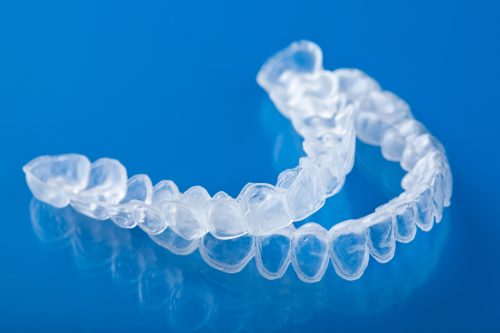
If you’re thinking about clear aligners, you’re probably asking the question: “Will this hurt?” If you’ve been putting off that perfect smile because you’re worried about Invisalign pain, you’re asking the right questions. The good news is that while some discomfort is normal, it’s typically mild and very manageable.
In this article, we’ll walk you through exactly what to expect during your first few days with clear aligners. You’ll learn why some discomfort happens, how to tell the difference between normal adjustment and concerning pain, and discover practical tips to make your experience as comfortable as possible.
At Clear Braces Direct, we’ve helped thousands of patients navigate their first week with confidence – and we’re here to help you too.
Why Do Clear Aligners Cause Some Discomfort?
Understanding why clear aligner discomfort happens can help put your mind at ease. Your aligners work by applying gentle, controlled pressure to gradually move your teeth into their ideal positions. This pressure is what creates the magic of straighter teeth, but it also means your mouth needs time to adjust.
The discomfort you might feel isn’t actually pain in the traditional sense – it’s more like the feeling you get after a good workout. Your teeth, gums, and surrounding tissues are responding to the movement, which can create a sensation of pressure or mild soreness. This is completely normal and actually a sign that your treatment is working.
Most patients describe the sensation as a tight feeling around their teeth, similar to having something gently squeezed. The intensity varies from person to person, with some experiencing barely noticeable pressure while others might feel more aware of the changes happening in their mouth.
Also read: What to Expect During Your First Week with Invisalign
What Should You Expect During Your Invisalign First Week?
Your first week with clear aligners is a period of adjustment for both you and your mouth. Here’s what typically happens day by day:
| Day | What to Expect | Comfort Level |
| Day 1-2 | Initial pressure, slight speech changes | Mild discomfort |
| Day 3-4 | Teeth feel tender, gums may be sensitive | Moderate awareness |
| Day 5-7 | Significant improvement, mouth adapting | Much more comfortable |
Days 1-2: You’ll likely notice the most pressure during your first 48 hours. Your teeth might feel snug in the aligners, and you may experience some tenderness when biting down. Speech might sound slightly different as your tongue adjusts to the new shape in your mouth.
Days 3-4: The initial Invisalign pain typically peaks around this time, then begins to subside. Your gums might feel slightly tender, and chewing harder foods could be uncomfortable. This is the point where many patients wonder if the discomfort is normal – rest assured, it is.
Days 5-7: Most patients notice significant improvement by the end of their first week. Your mouth begins adapting to the aligners, speech returns to normal, and the pressure sensation becomes much more manageable.
Remember, each time you switch to a new set of aligners, you may experience a similar but usually milder cycle of adjustment. The good news is that subsequent changes typically cause less discomfort than your very first set.
Smart Aligner Tips to Manage Discomfort
Having the right strategies can make your transition period much smoother. These practical aligner tips have helped countless patients feel more comfortable during their treatment:
Take over-the-counter pain relief: Ibuprofen or paracetamol can help manage any soreness. Many dentists recommend taking a dose about an hour before inserting your first aligners or switching to a new set.
Choose softer foods initially: During the first few days, stick to softer options like smoothies, soups, pasta, and cooked vegetables. Avoid crunchy or chewy foods that require a lot of pressure to bite through.
Use orthodontic wax strategically: If your aligners create any rough spots that irritate your cheeks or lips, a small amount of orthodontic wax can provide relief. Apply it to the problem area before inserting your aligners.
Stay consistent with wear time: While it might be tempting to remove your aligners when they feel uncomfortable, wearing them for the recommended 20-22 hours per day actually helps reduce discomfort faster. Your mouth adjusts more quickly with consistent wear.
Practice good oral hygiene: Keep your teeth and aligners clean to prevent any additional irritation. Brush gently if your teeth feel sensitive, and rinse with lukewarm water rather than very hot or cold.
Try cold therapy: Some patients find that drinking cold water or eating cold, soft foods provides temporary relief from soreness.
Remove aligners carefully: Always use the proper technique to remove your aligners, starting from the back molars. Forcing them off can cause unnecessary discomfort.
Also read: How Long Do Invisalign Retainers Last?
How Can You Tell Normal Discomfort from Concerning Pain?
While some discomfort is expected, it’s important to recognise what’s normal versus what might need professional attention. Normal clear aligner discomfort should:
- Feel like pressure rather than sharp pain
- Gradually improve over 3-5 days
- Be manageable with over-the-counter pain relief
- Not interfere significantly with eating soft foods
- Feel similar each time you change aligners
You should contact your dentist if you experience:
- Sharp, stabbing pain that doesn’t improve
- Persistent sores that don’t heal after a week
- Severe swelling or signs of infection
- Aligners that seem to fit very poorly
- Pain that worsens rather than improves after several days
Trust your instincts – if something feels seriously wrong rather than just uncomfortable, it’s always better to reach out for professional guidance.
Also read: Whitening Your Teeth Before vs After Invisalign
Moving Forward with Confidence
Understanding what to expect can transform your clear aligner experience from anxiety-inducing to manageable. While Invisalign pain and discomfort are common during the first few days, they’re temporary parts of achieving the smile you’ve always wanted.
Most patients find that by their second week, wearing aligners feels natural and comfortable. The initial adjustment period is a small price to pay for the confidence that comes with straighter teeth.
If you’re ready to take the next step, rest assured that Clear Braces Direct will provide expert guidance and support throughout your entire treatment journey. Our experienced team understands exactly what you’re going through and can provide personalised advice to make your experience as comfortable as possible.
Visit our Invisalign page to learn more about how we can help you achieve the smile you’ve always wanted with minimal discomfort and maximum results.
The Hidden Confidence Boost of a Straighter Smile
Your smile is your first introduction to the world. But did you know it could also be the key to unlocking confidence you never knew you had? Beyond the obvious aesthetic improvements, achieving a straighter smile through Invisalign and clear braces can transform how you feel about yourself in profound ways.
also be the key to unlocking confidence you never knew you had? Beyond the obvious aesthetic improvements, achieving a straighter smile through Invisalign and clear braces can transform how you feel about yourself in profound ways.
If you’ve been considering orthodontic treatment but aren’t sure about the deeper benefits, you’re about to discover something remarkable. A straighter smile doesn’t just change how others see you – it fundamentally shifts how you see yourself. From boardroom presentations to casual coffee dates, the confidence that comes with loving your smile ripples through every aspect of your life.
We’re taking a closer look at the psychological transformation that happens alongside your physical one, and show you how Clear Braces Direct can help you unlock both a beautiful smile and unshakeable confidence.
How Does Your Smile Shape Your Self-Esteem?
The connection between your smile and your psychological well-being runs deeper than you might expect. Research in social psychology consistently shows that people who feel confident about their dental appearance experience higher levels of self-esteem and reduced social anxiety.
Studies reveal that individuals with straighter teeth report feeling more attractive, approachable, and socially confident. But this isn’t just about vanity. It relates to our fundamental human psychology. Your brain processes your smile as a signal of your social status and attractiveness, which directly impacts how you carry yourself through daily interactions.
The self-esteem and Invisalign connection becomes particularly powerful because the treatment addresses dental concerns while you continue living your normal life. Unlike traditional braces that can temporarily impact confidence during treatment, clear aligners allow you to feel good about your appearance throughout the entire process.
Dental professionals consistently observe that patients undergoing orthodontic treatment experience what psychologists call a “confidence cascade.” As their teeth gradually align, patients report standing taller, speaking more freely, and engaging more readily in social situations. The smile makeover benefits extend far beyond the mirror – they reshape entire personalities.
This transformation happens because your smile serves as both an internal confidence barometer and an external social tool. Each time you catch your reflection and feel pleased rather than self-conscious, you’re reinforcing positive self-perception that builds genuine confidence from within.
Why Do Invisalign and Clear Braces Build Confidence Differently?
Invisalign and clear braces offer unique psychological advantages that traditional metal braces simply cannot match. The discrete nature of these treatments means you can improve your smile without the social anxiety that often accompanies visible orthodontic work.
- Clear aligners allow you to maintain your professional image and social comfort throughout treatment. You won’t find yourself covering your mouth during meetings or avoiding photos at family gatherings. This continuity in social behaviour is psychologically significant – you’re not putting your confidence on hold while working toward your goal.
- Patients frequently share that the removable aspect of Invisalign provides them with control over their treatment experience. Being able to remove aligners for important presentations, dates, or social events eliminates the feeling of being “stuck” with visible orthodontic work.
- The clear aligners lifestyle becomes part of a broader commitment to self-care and personal improvement. Many patients report that beginning Invisalign treatment motivates them to adopt other confidence-building habits like improved oral hygiene, healthier eating, and better overall wellness routines.
- The discretion factor also eliminates adult concerns about appearing “juvenile” or unprofessional. Adult patients particularly appreciate being able to straighten their teeth without drawing attention to the process, allowing them to focus on the positive changes rather than managing social perceptions about their treatment.
Also read: Invisalign for Busy Professionals, Where Convenience Meets Results.
What Social and Career Benefits Come with a Straighter Smile?
The social advantages of a confident smile extend into every relationship and interaction you have. People with straighter smiles report feeling more comfortable initiating conversations, expressing disagreement professionally, and participating actively in group settings.
From a career perspective, the benefits are measurable and significant. Professional studies indicate that individuals perceived as having attractive smiles are often viewed as more competent, trustworthy, and leadership-ready. This isn’t about superficial judgments – it’s about the confidence that radiates from someone who feels good about their appearance.
| Social Benefit | Career Impact | Personal Growth |
| Increased comfort in conversations | Better networking abilities | Higher self-worth |
| More frequent genuine laughter | Improved presentation skills | Reduce social anxiety |
| Greater willingness to be photographed | Enhanced professional image | Stronger personal relationships |
The self-esteem and Invisalign relationship creates a positive feedback loop in professional settings. As patients feel better about their smiles, they speak up more in meetings, volunteer for presentations, and pursue leadership opportunities they might have previously avoided.
Social confidence improvements are equally dramatic. Patients report being more likely to accept social invitations, engage in dating, and participate in activities that put them in the spotlight. The smile makeover benefits create ripple effects that touch family relationships, friendships, and romantic connections.
Career advancement often follows naturally as communication skills improve and professional presence strengthens. Many patients find themselves pursuing promotions, speaking opportunities, or career changes they had previously considered but felt too self-conscious to attempt.
At Clear Braces Direct, we’ve witnessed countless transformations that extend far beyond straight teeth. Patients regularly share stories of job promotions, successful presentations, new relationships, and increased social engagement that began during their treatment journey.
Also read: What to Expect During Your First Week with Invisalign
How Can You Maximise Your Clear Aligners Lifestyle?
Embracing your clear aligners lifestyle means viewing your treatment as part of a broader commitment to confidence and wellbeing. The daily routine of caring for your aligners can become a positive ritual that reinforces your commitment to self-improvement.
- Maintain excellent oral hygiene throughout your treatment to maximise both physical and psychological benefits. Clean teeth and fresh breath contribute significantly to feeling confident in close social interactions. Your daily aligner care routine becomes a moment of self-care that reinforces positive feelings about your treatment progress.
- Track your progress with photos and notes about how you’re feeling throughout the process. Many patients find that documenting both physical changes and confidence improvements helps them stay motivated and appreciate the full scope of their transformation.
- Share your experience with supportive friends and family members. Having dedicated cheerleaders during your treatment can amplify the confidence benefits and help you celebrate milestones along the way. The clear aligners lifestyle works best when it’s part of a supportive community.
- Stay consistent with your wear schedule to maximise both orthodontic results and psychological benefits. The faster you see progress, the quicker you’ll experience confidence improvements. Each day of proper wear brings you closer to the smile and self-assurance you’re working toward.
- Consider your Invisalign treatment as an investment in your overall quality of life rather than just a cosmetic improvement. This mindset shift helps you stay committed during challenging days and appreciate the full value of your investment in yourself.
Are You Ready to Transform More Than Just Your Smile?
The path to a straighter smile with Invisalign and clear braces offers benefits that extend far beyond what you see in the mirror. From the psychology research supporting improved self-esteem to the real-world career and social advantages, the confidence boost from orthodontic treatment can be truly life-changing.
The clear aligners lifestyle isn’t just about achieving perfect teeth – it’s about discovering the confident, authentic version of yourself that’s been waiting to shine. Every day of treatment brings you closer not just to straighter teeth, but to the self-assurance that comes with loving your smile.
Clear Braces Direct combines expert orthodontic care with an understanding of the complete transformation you’re seeking. Our experienced team knows that successful treatment addresses both the physical and emotional aspects of your smile journey.
Visit Clear Braces Direct now to learn how Invisalign and clear braces can unlock not just the smile you’ve always wanted, but the confidence you deserve. Your new chapter of self-assurance is just one consultation away.
Whitening Your Teeth Before vs After Invisalign
Invisalign has become the go-to choice for adults who want straighter teeth without traditional metal braces. These clear aligners gradually shift your teeth into perfect alignment over several months.
But straight teeth are only one part of the puzzle. Many people wonder about the best timing for whitening before Invisalign treatment – should you brighten your smile first, or wait until your teeth are straight?
Getting both straight and white teeth is a common goal, but timing matters for the best results.
We’re examining the pros and cons of whitening at different stages of your Invisalign journey. We’ll cover everything from treatment timing to maintenance tips, helping you make the right choice for your smile goals.
Understanding Both Treatments
Invisalign works by using custom-made clear aligners that you wear for 20-22 hours each day. These trays apply gentle pressure to gradually move your teeth into their ideal positions. Most treatments take 6-18 months, depending on how much correction you need.
Teeth whitening, on the other hand, uses bleaching agents to remove stains and brighten your natural tooth color. Professional treatments can include in-office laser whitening or take-home kits with custom trays. The key thing to remember is that Invisalign doesn’t change your tooth colour – it only moves them.
Many people assume their teeth will look whiter once they’re straight, but that’s not always the case. Straightening can actually make existing stains more noticeable, which is why combining both treatments is so popular.
Should You Whiten Before Starting Treatment?
Whitening before Invisalign has some definite advantages. Your teeth don’t have any attachments yet, so whitening products can be applied evenly across all surfaces. You’ll also get an immediate confidence boost from having brighter teeth right from the start of treatment.
Starting with whiter teeth means you can enjoy a brighter smile throughout your entire Invisalign journey. This can be especially motivating during the first few weeks when you’re adjusting to wearing aligners. Plus, you won’t have to wait months to enjoy colour improvements.
However, there are some downsides to consider.
Whitening results might fade or change during your Invisalign treatment, especially if you’re a coffee drinker or wine lover. The small attachments that get bonded to your teeth during treatment can also create slight colour variations, making your whitening results look uneven.
Some people find that whitening before treatment doesn’t give them the dramatic results they hoped for. If your teeth shift significantly during alignment, stains that were hidden might become more visible, requiring additional whitening later anyway.
Read: Invisalign Aligner Staining: Foods & Drinks to Avoid This Summer
Benefits of Waiting Until After Treatment
Most dental professionals recommend waiting to whiten until after your Invisalign treatment is complete. Once your teeth are perfectly aligned, any whitening treatment will create an even, beautiful result across your entire smile. This timing also allows you to address any stains or discolouration that become visible once your teeth are straight.
Invisalign and whitening work beautifully together when timed correctly. After your aligners are removed and any attachments are taken off, your teeth are ready for professional whitening. The results tend to be more dramatic and longer-lasting because your teeth are in their final positions.
Many orthodontic practices offer package deals that combine Invisalign with professional whitening at a discounted rate. This can be more cost-effective than treating each condition separately. You’ll also have the advantage of professional guidance throughout both processes.
The main drawback is having to wait several months or up to a year before you can whiten. Some people find this frustrating, especially if they have noticeable stains. You’ll also need to be more careful about maintaining your results once you achieve them.
Can You Whiten During Treatment?
Teeth whitening timing doesn’t have to be strictly before or after – you can whiten during Invisalign treatment with some precautions.
Low-dose whitening gels are generally safe to use inside your aligners, and whitening toothpaste or mouthwash can help prevent new stains from forming.
The key is using gentle products that won’t interfere with tooth movement. Strong bleaching agents aren’t recommended during active orthodontic treatment because they can increase sensitivity and potentially affect how your teeth respond to the aligners.
Many people use their Invisalign trays as whitening trays by adding a small amount of dentist-approved whitening gel. This approach provides gradual brightening throughout treatment, without the dramatic results of professional whitening. It’s a nice middle ground that keeps your teeth looking good while they’re moving.
Just remember that whitening during treatment requires careful product selection and monitoring. Always check with your orthodontist before adding any whitening products to your routine to avoid complications.
Combining Treatments Effectively
The best approach to clear aligners and whitening starts with a consultation with your dental team. They can assess your teeth, discuss your goals, and create a timeline that works for your specific situation. This personalised approach gives you the best chance of achieving your ideal smile.
If you decide to whiten before starting Invisalign, make sure your teeth are thoroughly cleaned first. Ask about how attachments might affect your whitening results and whether touch-ups will be needed later. Some people benefit from light whitening before treatment, followed by professional whitening after.
For those waiting until after Invisalign, schedule your whitening appointment as soon as your aligners are removed and attachments are taken off. This timing gives you immediate gratification after months of treatment. Your orthodontist can work closely with your dentist to ensure a smooth transition.
Using compatible whitening products throughout your treatment helps maintain good results. Whitening toothpaste, alcohol-free mouthwash, and regular cleanings all contribute to keeping your teeth bright during the alignment process.
Whitening Timeline Comparison
Here’s a quick comparison to help you decide on the best timing for your whitening treatment:
| Timing | Pros | Cons |
| Before Invisalign | Immediate confidence boostNo attachments for even applicationEnjoy bright teeth throughout treatmentCan motivate you during alignment | Results may fade during treatmentAttachments can cause uneven coloringHidden stains may appear after straighteningMight need touch-ups later |
| During Invisalign | Gradual whitening alongside straighteningCan use aligners as whitening traysPrevents new stains from formingCost-effective maintenance approach | Limited to gentle whitening productsLess dramatic resultsRequires careful product selectionMay increase tooth sensitivity |
| After Invisalign | Most even, dramatic resultsTeeth are in final positionsNo attachments to work aroundOften included in treatment packages | Must wait months for whiteningRequires patience throughout treatmentNeed to maintain results carefullyMore expensive if done separately |
Maintaining Your Bright Smile
Once you’ve achieved your desired whiteness, maintenance becomes important. Coffee, red wine, tea, and dark sodas are the biggest culprits for staining, so brush soon after consuming these beverages or use a straw to minimise contact with your teeth.
Touch-up whitening treatments can help maintain your results over time. Many people use whitening trays or gels occasionally as recommended by their dentist. The frequency depends on your lifestyle and how quickly your teeth tend to stain.
Regular dental checkups and strong oral hygiene habits are the foundation of keeping your smile bright. Using fluoride toothpaste helps minimise sensitivity that can occur with whitening treatments. Some people find that whitening toothpaste helps maintain their results between professional treatments.
Consider your long-term habits when planning your whitening timeline. If you’re not ready to give up your morning coffee or evening wine, you might need more frequent touch-ups regardless of when you whiten.
Read: Invisalign for Adults: Why Your 30s and 40s Are Perfect for Clear Aligners.
Making the “White” Choice
The decision to whiten before or after Invisalign depends on your individual needs, timeline, and goals. Whitening before Invisalign can give you immediate confidence and motivation, but waiting until after treatment typically provides better, longer-lasting results.
Clear Braces Direct can help you explore your options for combining Invisalign with teeth whitening. Their experienced team understands how to coordinate these treatments for optimal results. Contact them today to discuss your smile goals and create a personalised treatment plan that gives you both straight and bright teeth.