


 Dr Tinkler Is The FIRST Dentist In The UK To Reach Over 5,000 patients | The UK's Most Experienced Invisalign Dentist
  Price match! We will match or beat any other Invisalign quote!

Can Teens and Adults Both Use Clear Aligners?
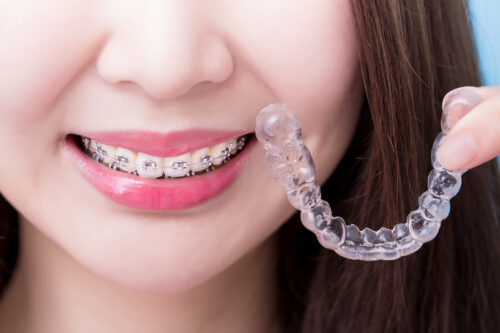
Straight teeth aren’t just for adults with disposable income anymore. Clear aligners have transformed orthodontic treatment, making it accessible and discreet for people of all ages. But can teenagers really use the same treatment as their parents? The short answer is yes—with some important considerations.
Whether you’re 15 or 45, clear aligners can straighten your smile without the metal brackets and wires. Here’s what you need to know:
- Age isn’t the main factor – dental maturity matters more than the number on your birthday cake
- Teens need specific features – compliance indicators and eruption tabs make treatment work for younger patients
- Treatment goals differ – what works for a busy professional might not suit a sixth-former
- Both groups benefit – discreet treatment appeals across generations, just for different reasons
Are Clear Aligners Suitable for Teenagers?
Yes, clear aligners work brilliantly for teenagers whose adult teeth have fully erupted. Most teens are ready for aligner treatment around age 13 or 14, though some may start earlier. The key is having permanent teeth in place rather than hitting a specific age milestone.
Teens with clear aligners enjoy significant advantages over traditional braces. They can remove aligners for school photos, sports matches, and important social events. This flexibility reduces the self-consciousness many teenagers feel about orthodontic treatment.
Modern aligner systems designed for teens include built-in compliance indicators. These small blue dots fade with wear, helping parents and orthodontists monitor whether the aligners are being worn for the recommended 20-22 hours daily. Eruption tabs also accommodate teeth that haven’t fully emerged yet.
What Makes Teens Good Candidates?
Teenagers make excellent candidates when they demonstrate responsibility and commitment. Clear braces for teens require dedication. They must wear aligners consistently and keep them clean. A teen who forgets to wear their retainer or loses their PE kit weekly might struggle with the discipline required.
Mild to moderate orthodontic issues respond particularly well to aligner treatment in teenagers. Crowding, spacing, and minor bite issues can all be corrected. Complex cases involving severe jaw misalignment may still require traditional braces.
The social benefits can’t be overstated. Teens avoid the “metal mouth” teasing that sometimes accompanies braces. They participate in sports without worry about broken brackets and can eat whatever they fancy without restrictions.
Can Adults Use the Same Aligners as Teens?
Adults and teens often use similar aligner technology, though treatment plans differ based on individual needs. The fundamental mechanics work the same way regardless of age; gradual pressure shifts teeth into better positions over time. Adult bone is denser than teenage bone, which can extend treatment duration slightly.
Many adults choose clear aligners for professional reasons. Video calls and client meetings feel less awkward without visible metal braces. The ability to remove aligners for presentations or networking events provides welcome flexibility.
Adult teeth may have existing dental work like crowns, bridges, or fillings. These don’t necessarily prevent aligner treatment but require careful planning. Previous orthodontic treatment that has relapsed is actually quite common in adult patients.
How Do Treatment Goals Differ?
Teenagers typically address developmental issues as their jaws finish growing. Their treatment often focuses on creating space for emerging teeth and establishing proper bite relationships. Growth can actually work in their favour during treatment.
Adults usually seek cosmetic improvements or correction of teeth that have shifted over time. They might address concerns postponed from childhood or fix problems that developed after wearing retainers. Many adults prioritise front teeth alignment for aesthetic reasons.
Time expectations vary between age groups. Teens may feel impatient with 12-18 month treatment plans, whilst adults often appreciate the relatively quick results compared to traditional braces. Both groups need realistic expectations about commitment and duration.
What Are the Key Differences in Teen vs Adult Treatment?
| Factor | Teens | Adults |
| Compliance monitoring | Indicators built into aligners | Self-motivated tracking |
| Treatment duration | 12-18 months average | 12-24 months average |
| Bone density | More responsive | Denser, slower movement |
| Lifestyle priorities | School, sports, social events | Work, family, convenience |
| Common issues | Developmental crowding | Relapse, age-related shifting |
Supervision requirements differ significantly between age groups. Teens benefit from parental oversight and regular check-ins to ensure compliance. Adults manage their own treatment but may struggle with consistency when life gets hectic.
Cost considerations affect families differently from individual adults. Many parents invest in their teenager’s smile as a long-term health investment. Adults weigh the expense against personal budgets and priorities.
Do Teens Need Special Aligner Features?
Special features make clear braces for teens more effective than standard adult versions. Compliance indicators show parents whether their teenager is wearing aligners as prescribed. These blue markers gradually fade with wear, providing visual confirmation of use.
Eruption compensations allow for teeth still coming through the gums. Not all permanent teeth arrive on schedule, and teen-specific aligners accommodate this variability. Power ridges add extra force for stubborn teeth that need encouragement.
Replacement aligners often come included in teen packages. Teenagers lose things—it’s practically a rite of passage. Having backup aligners prevents treatment delays when aligners go missing at school or on holiday.
How Long Does Treatment Take for Different Ages?
Treatment duration depends more on case complexity than age alone. Simple spacing issues might resolve in 6-9 months for both teens and adults. Moderate crowding typically requires 12-18 months regardless of whether you’re 16 or 36.
Teens sometimes complete treatment slightly faster because their bone tissue responds more readily to orthodontic pressure. Their jaws are still developing, which can work advantageously during alignment. However, poor compliance can extend treatment considerably.
Adults may need longer treatment times for severe crowding or relapse cases. Years of teeth grinding, tooth loss, or shifting create challenges that take time to correct properly. Consistent wear habits often mean adults stay on track despite longer timelines.
Can Younger Teens Start Treatment?
Younger teenagers can begin invisalign treatment once their permanent teeth have erupted. Some patients start as early as age 11 or 12 if dental development permits. An orthodontic assessment determines readiness better than age alone.
Dental maturity matters more than chronological age. A 13-year-old with all permanent teeth present makes a better candidate than a 15-year-old still losing baby teeth. X-rays reveal whether jaw growth and tooth development support treatment.
Early intervention prevents more serious problems later. Addressing mild crowding in the early teens can prevent extractions or jaw surgery down the line. The key is balancing dental readiness with emotional maturity to handle treatment responsibility.
Let’s Get Things Straight!
Age doesn’t determine whether clear aligners will work for you—dental health and commitment do. Teenagers and adults both achieve outstanding results with the right approach and expectations. The technology has evolved to accommodate growing smiles and mature ones alike.
Clear Braces Direct offers tailored solutions for every age group. Their team understands the unique challenges teens face and the practical concerns adults prioritise. Remote monitoring and flexible payment plans make treatment accessible without compromising quality.
Ready to straighten your smile discreetly? Book a consultation to discuss whether clear aligners suit your specific situation. Your age might be just a number, but your smile deserves expert attention at any stage of life.